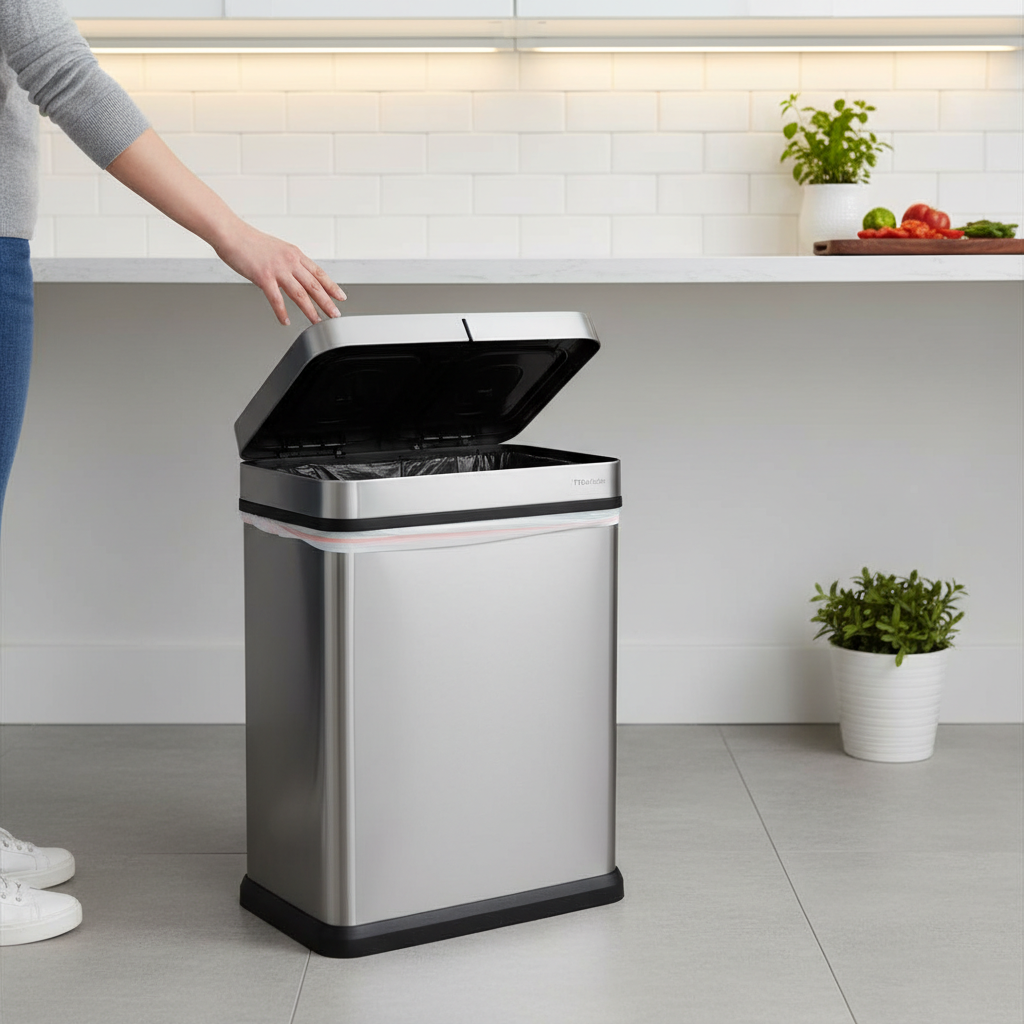
As smart home technology advances, our everyday devices are becoming increasingly sophisticated. Even something as mundane as a trash can now boasts sensors, automated lids, and connectivity. While these innovations bring convenience and improved hygiene, they also introduce a new challenge when these devices reach the end of their useful life: how to dispose of them responsibly. An old, broken smart trash can isn’t just a simple bin; it’s a piece of electronic waste (e-waste) that requires careful handling to protect our environment and prevent safety hazards. This guide will walk you through the essential steps for safely and sustainably recycling your smart trash can.
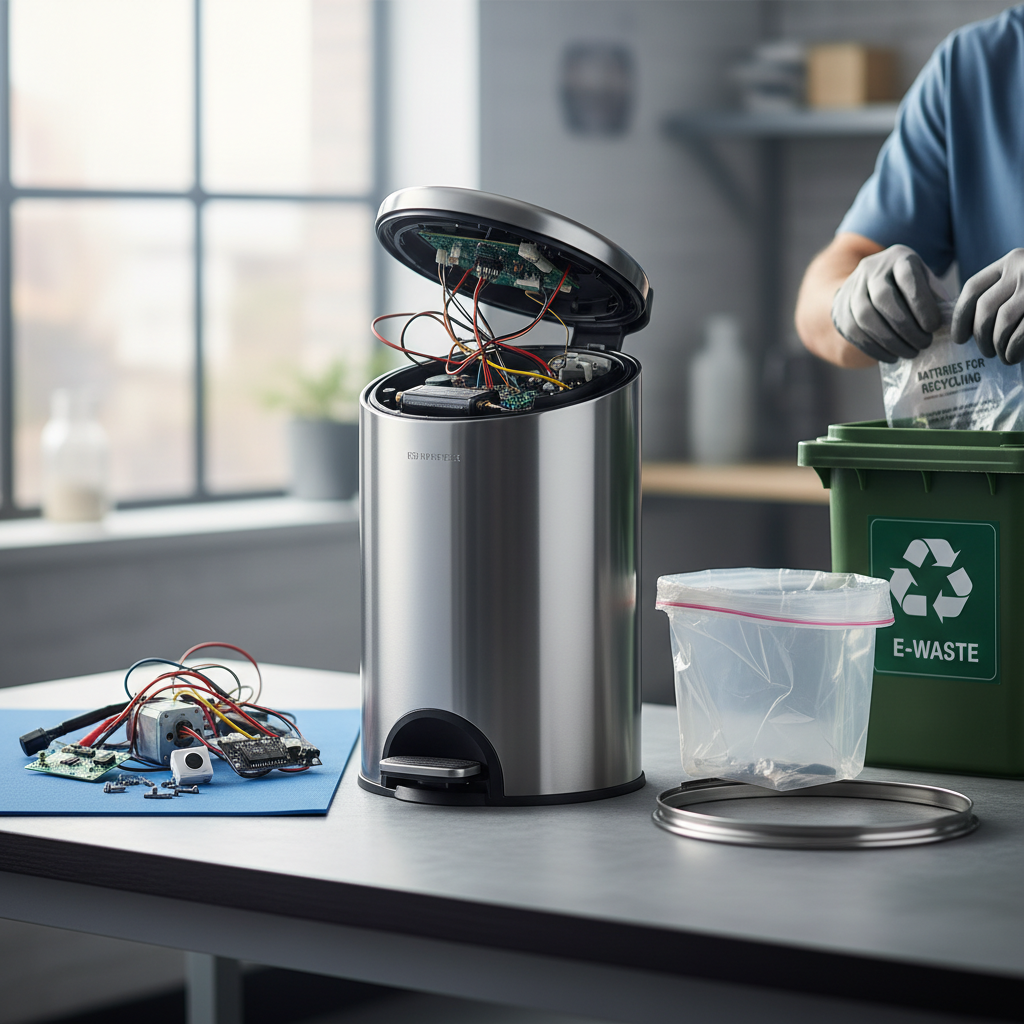
Understanding Your Smart Trash Can as E-Waste
Modern smart trash cans are far more than just receptacles for waste. They incorporate a range of electronic components, including motion or proximity sensors for touchless operation, microcontrollers (like Arduino or Raspberry Pi boards), small servo motors to control lids or compaction mechanisms, LED indicators, and often, Wi-Fi or Bluetooth modules for connectivity. Crucially, most are powered by rechargeable lithium-ion (Li-ion) batteries.
These electronic and battery components classify smart trash cans as e-waste. Discarding them in regular household trash is detrimental because they can leach hazardous materials into landfills, contaminating soil and water. Furthermore, many of these components contain valuable critical minerals like cobalt, nickel, lithium, and graphite, along with precious metals such as copper and aluminum. Recycling them allows these finite resources to be recovered and reused, reducing the need for new mining and minimizing environmental impact.
The Critical Danger: Lithium-Ion Batteries
One of the most significant considerations when disposing of a smart trash can is its power source, particularly if it uses a lithium-ion battery. These batteries are ubiquitous in modern electronics due to their high energy density but pose a substantial fire risk if not handled correctly.
When Li-ion batteries are damaged—for example, crushed in a garbage truck or punctured during sorting at a recycling facility—they can overheat rapidly, leading to a phenomenon known as “thermal runaway.” This can cause fires that endanger waste management workers, damage equipment, and release toxic fumes. Even seemingly “dead” batteries often retain enough residual energy to ignite. It is imperative that Li-ion batteries are never thrown into regular household garbage or curbside recycling bins. They require specialized handling to prevent these dangerous incidents.
Step-by-Step Guide to Preparing Your Smart Trash Can for Recycling
Preparing your smart trash can for disposal involves a few critical steps to ensure safety and facilitate efficient recycling.
Safety First: Power Down and Disconnect
|
Our Picks for the Best Smart trash can in 2026
As an Amazon Associate I earn from qualifying purchases.
|
||
| Num | Product | Action |
|---|---|---|
| 1 | iTouchless 24 Gallon Extra Large Touchless Sensor Trash Can with AbsorbX Odor Filter, 91L Commercial Stainless Steel Automatic Kitchen Bin for Home, Office, Restaurant, Commercial Lobby, Store |

|
| 2 | EKO Deluxe Mirage-T 50 Liter / 13.2 Gallon Touchless Rectangular Motion Sensor Trash Can, Matte Stainless Steel Finish |
|
| 3 | Ninestars 13 Gallon Odor Neutralizing Smart Trash Can, UV + Ozone Dual Purification, Odor Control Motion Sensor Garbage Bin, Universal Power Adapter, ONT-50-81SL Stainless Steel, Silver, Nova Series |
|
| 4 | Vanpopubs 2 Pack 2.7 Gal Bathroom Trash Can with Lid, Automatic Trash Can Small Smart Garbage Can Touchless, Slim Motion Sensor Waterproof Plastic Trash Bins for Bedroom Office Kitchen Toilet |
|
| 5 | EKO Mirage-T 50 Liter / 13.2 Gallon Touchless Rectangular Motion Sensor Trash Can, Brushed Stainless Steel Finish (Matte Black) |
|
| 6 | EKO Mirage-T 50 Liter / 13.2 Gallon Touchless Rectangular Motion Sensor Trash Can, Brushed Stainless Steel Finish |
|
| 7 | Ninestars 13 Gallon Automatic Trash Can, 50L Touchless Motion Sensor Garbage Can with Odor-Sealing Lid, Rectangular Stainless Steel, Silver Trim |
|
| 8 | Bathroom Trash Can with Lid, KOEYLE 2 Pack 2.2 Gallon Automatic Touchless Garbage Can, Small Motion Sensor Smart Trash Can, Slim Waterproof Trash Bin for Bedroom, Bathroom, Office, Living Room (Black) |
|
| 9 | Ninestars 13 Gallon Oval Automatic Trash Can, 50L Touchless Motion Sensor Garbage Can with Odor-Sealing Lid & One-Touch Manual Mode, Silver Stainless Steel, Black Trim |
|
| 10 | BestOffice | 13 Gallon Trash Can with Lid | Automatic Touchless Garbage Can | Odor Control | Modern Oval Design | Easy to Clean | Stainless Steel | Fits Any Kitchen, Bathroom, Office or Home |
|
Before doing anything, ensure your smart trash can is powered off and unplugged from any electrical outlet. If it uses removable batteries, take them out. For internal, non-removable batteries, simply ensure the device is off. This prevents any accidental activation or electrical hazards during handling.
Remove the Battery Safely
If your smart trash can features a user-removable battery compartment, gently open it and take out the battery. These are often rechargeable lithium-ion packs. Once removed, it is crucial to tape the terminals of the battery with clear, non-conductive tape (like electrical tape or clear packing tape) to prevent short-circuiting. This simple step significantly reduces the risk of fire during transport and storage. Place the taped battery in a non-metallic container, such as a plastic bag or box, separate from other materials. If the battery appears swollen, bulging, or damaged, handle it with extreme caution and consider placing it in sand or kitty litter in a cool, isolated spot while you contact the manufacturer or a local hazardous waste program for immediate guidance.
Clean the Can
Empty any remaining trash and thoroughly clean the main bin compartment. Rinse it out and ensure it’s dry. Most recycling facilities prefer clean materials to avoid contamination, which can impact the recycling process.
Wipe Personal Data
While a smart trash can may not store sensitive personal information like a smartphone, some models connect to Wi-Fi networks or integrate with smart home apps. These might retain network credentials or usage data. If your device has a factory reset option, perform it to erase any stored data. Consult the user manual for instructions specific to your model.
Disassemble if Necessary
For some larger or more complex smart trash cans, you might be able to easily separate certain components, such as the outer shell (often plastic or metal) from the electronic lid assembly. If the manufacturer’s instructions or design allows for easy, tool-free separation of materials, doing so can aid specialized recyclers. However, avoid forceful disassembly that could damage internal batteries or electronic circuits, as this could create safety hazards. When in doubt, it’s best to keep the main unit intact after battery removal.
Where to Recycle Your Smart Trash Can
Finding the right place to recycle your smart trash can is crucial for responsible disposal. Due to its electronic components and especially its battery, it cannot go into your regular curbside recycling or general waste.
Certified E-waste Recycling Facilities
The safest and most recommended option is to take your smart trash can to a certified e-waste recycling facility. These facilities are equipped to properly dismantle electronics, recover valuable materials, and safely dispose of hazardous components. Many local municipalities or county waste management services can provide information on nearby certified drop-off locations or scheduled e-waste collection events.
Retailer Take-Back Programs
Many electronics retailers offer recycling services for old appliances and devices, often regardless of where they were originally purchased. Major electronics stores like Best Buy and Currys, for example, have robust in-store recycling programs for a wide range of electronics. It’s advisable to check their websites or contact your local store for specifics on what they accept and any associated fees or conditions.
Manufacturer Recycling Initiatives
Some manufacturers of smart home appliances, including smart trash cans, have their own take-back or recycling programs. Check the manufacturer’s website for information on how to return or recycle their products at the end of their life cycle. This ensures the device is recycled according to brand-specific guidelines.
Community Collection Events
Many communities organize periodic e-waste collection events where residents can drop off electronics for free. These events are often advertised by local government agencies or environmental groups. They provide a convenient way to dispose of multiple electronic items at once.
Local Municipal Services
Contact your local waste management department or town council. They can provide specific guidance for e-waste disposal in your area, including information on bulky waste collection services or designated drop-off points for electronics and household hazardous waste.
Dedicated Battery Recycling Points
If you were able to safely remove the lithium-ion battery, it should be recycled separately at a dedicated battery recycling point. Organizations like Call2Recycle and Batteries Plus operate thousands of drop-off locations across the U.S. and Canada, accepting various types of rechargeable batteries. Some supermarkets and public libraries may also have collection boxes for batteries.
Buying Guide: Making Sustainable Choices
When purchasing a new smart trash can, consider its end-of-life impact. Opt for products designed for longevity, repairability, and responsible disposal. Look for manufacturers that clearly outline their recycling policies or offer take-back programs. Choosing products with easily removable or replaceable batteries can also simplify future recycling efforts. Prioritizing brands committed to environmental sustainability supports a circular economy and reduces overall e-waste.
Frequently Asked Questions
Can I throw my smart trash can in the regular bin?
No, you should never throw your smart trash can in regular household trash or curbside recycling. Its electronic components and especially its lithium-ion battery classify it as e-waste, which can cause fires and release hazardous materials if not disposed of properly.
How do I know if my smart trash can has a lithium-ion battery?
Most modern smart appliances, including smart trash cans with touchless features, compaction, or Wi-Fi connectivity, use rechargeable lithium-ion batteries. Check the product manual, the battery compartment itself, or the manufacturer’s website for battery type information.
What if I can’t remove the battery from my smart trash can?
If the battery is not user-removable, do not attempt to force it out, as this can be dangerous. Instead, take the entire smart trash can to a certified e-waste recycling facility or a retailer that accepts electronics with internal batteries. They are equipped to handle such devices safely.
Is there a cost to recycle electronics?
The cost of electronics recycling varies by location and service. Some retailers and municipal programs offer free recycling, while others may charge a small fee for certain items, especially larger appliances or televisions. Always check with your chosen recycling center beforehand.
What are “critical minerals” and why are they important in recycling?
Critical minerals are raw materials vital for modern technologies and economies, with a high risk of supply disruption. Lithium, cobalt, nickel, and graphite found in smart trash can batteries are examples. Recycling these helps recover these valuable resources, reducing reliance on new mining and its environmental impact.
Conclusion
Recycling your old, broken smart trash can safely is a straightforward yet crucial act of environmental responsibility. By understanding that these devices are e-waste containing potentially hazardous lithium-ion batteries and valuable critical minerals, you can make informed decisions. Following the steps to prepare your device—especially safely handling its battery—and utilizing certified e-waste recyclers, retailer take-back programs, or community collection events ensures that your old tech is disposed of responsibly. Let’s contribute to a cleaner planet and a more sustainable future by committing to proper e-waste management. How will you make sure your next smart home purchase aligns with these sustainable practices?