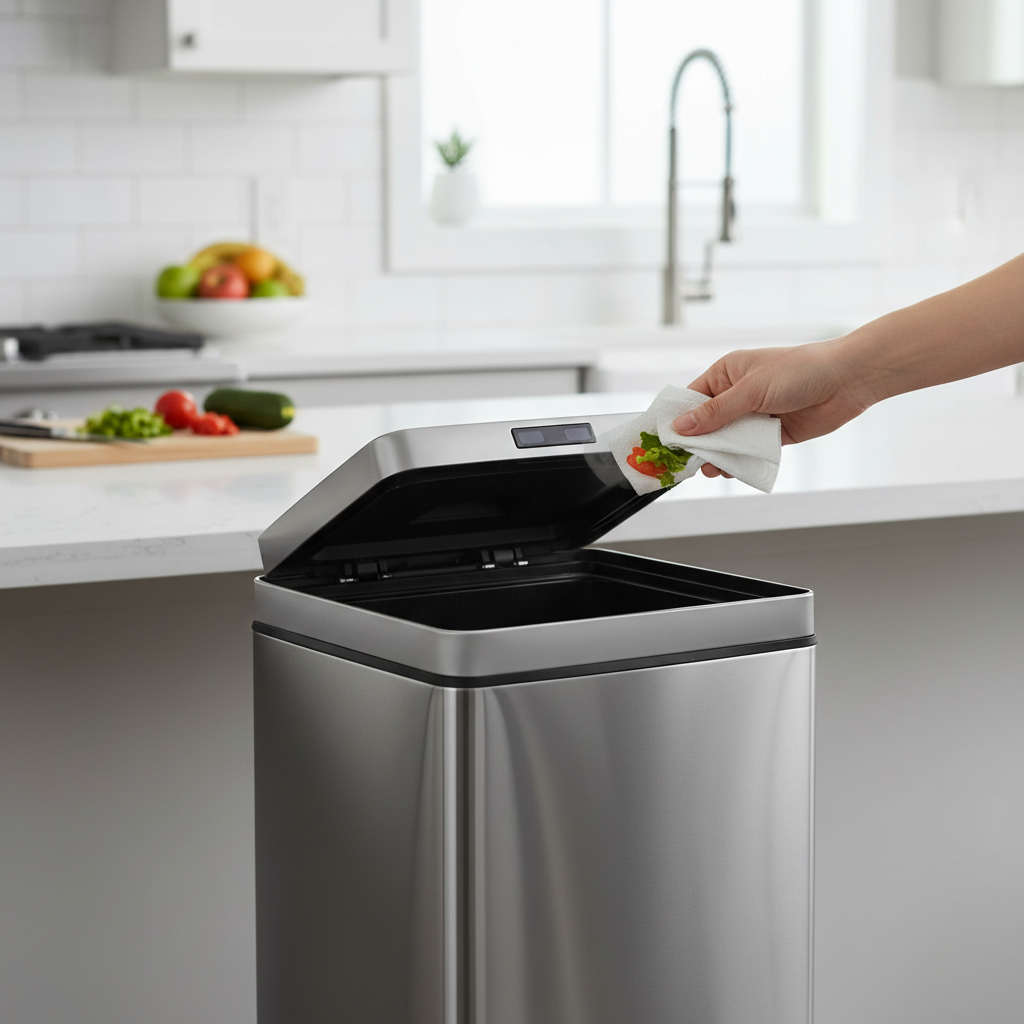
Imagine a world where your trash can anticipates your needs, opening with a mere wave of your hand and sealing away odors without a second thought. This isn’t a futuristic dream; it’s the reality of smart trash cans. These innovative appliances have transformed waste disposal into a seamless, hygienic, and even elegant experience. But beneath their sleek exteriors and intuitive features lies a critical decision point: how will your smart trash can be powered? The choice between an AC adapter and battery power significantly impacts convenience, placement flexibility, and, crucially, battery life. Understanding these power dynamics is key to selecting a smart bin that truly enhances your home.
What Are Smart Trash Cans and Why Use Them?
Smart trash cans are advanced waste receptacles equipped with technology that automates various aspects of waste disposal, moving beyond the simple function of holding garbage. Their basic features often include automatic lid opening and closing mechanisms, driven by sensors that detect movement or presence. Many models also incorporate sophisticated odor control systems and, in some cases, even features like automatic bag sealing or waste compression to maximize capacity.
The benefits of integrating a smart trash can into your home are numerous. They offer unparalleled convenience, eliminating the need to physically touch a lid, which is particularly useful when your hands are full or messy. This touchless operation also contributes to improved hygiene by minimizing germ spread. Furthermore, with their modern aesthetics and advanced functionalities, smart bins can elevate the look and feel of your kitchen, bathroom, or office space. These intelligent containers come in various sizes, materials, and with different feature sets, making it possible to find a model tailored to almost any need.
Key Features of Smart Trash Cans and Their Power Demands
The intelligent functionalities that make smart trash cans so appealing also dictate their power consumption. Each advanced feature requires energy, making the choice of power source a critical consideration for sustained performance.
Automatic Lid Sensors
|
Our Picks for the Best Smart trash can in 2026
As an Amazon Associate I earn from qualifying purchases.
|
||
| Num | Product | Action |
|---|---|---|
| 1 | EKO Mirage-T 50 Liter / 13.2 Gallon Touchless Rectangular Motion Sensor Trash Can, Brushed Stainless Steel Finish (Matte Black) |

|
| 2 | EKO Deluxe Mirage-T 50 Liter / 13.2 Gallon Touchless Rectangular Motion Sensor Trash Can, Matte Stainless Steel Finish |
|
| 3 | Ninestars 13 Gallon Oval Automatic Trash Can, 50L Touchless Motion Sensor Garbage Can with Odor-Sealing Lid & One-Touch Manual Mode, Silver Stainless Steel, Black Trim |
|
| 4 | Bathroom Trash Can with Lid, KOEYLE 2 Pack 2.2 Gallon Automatic Touchless Garbage Can, Small Motion Sensor Smart Trash Can, Slim Waterproof Trash Bin for Bedroom, Bathroom, Office, Living Room (Black) |
|
| 5 | BestOffice | 13 Gallon Trash Can with Lid | Automatic Touchless Garbage Can | Odor Control | Modern Oval Design | Easy to Clean | Stainless Steel | Fits Any Kitchen, Bathroom, Office or Home |
|
| 6 | EKO Mirage-T 50 Liter / 13.2 Gallon Touchless Rectangular Motion Sensor Trash Can, Brushed Stainless Steel Finish |
|
| 7 | Ninestars 13 Gallon Odor Neutralizing Smart Trash Can, UV + Ozone Dual Purification, Odor Control Motion Sensor Garbage Bin, Universal Power Adapter, ONT-50-81SL Stainless Steel, Silver, Nova Series |
|
| 8 | Vanpopubs 2 Pack 2.7 Gal Bathroom Trash Can with Lid, Automatic Trash Can Small Smart Garbage Can Touchless, Slim Motion Sensor Waterproof Plastic Trash Bins for Bedroom Office Kitchen Toilet |
|
| 9 | Ninestars 13 Gallon Automatic Trash Can, 50L Touchless Motion Sensor Garbage Can with Odor-Sealing Lid, Rectangular Stainless Steel, Silver Trim |
|
| 10 | iTouchless 24 Gallon Extra Large Touchless Sensor Trash Can with AbsorbX Odor Filter, 91L Commercial Stainless Steel Automatic Kitchen Bin for Home, Office, Restaurant, Commercial Lobby, Store |
|
The hallmark of most smart trash cans is their automatic lid. Utilizing infrared or motion sensors, these lids typically open when a hand or object approaches and close automatically after a few seconds. While incredibly convenient, these sensors are often constantly active, waiting for detection, which creates a continuous, albeit low, power draw. The motorized mechanism for opening and closing the lid requires bursts of power, and frequent activations will naturally deplete a battery faster.
Odor Neutralization and Sterilization
Many smart bins combat unpleasant smells with integrated odor control systems, such as activated carbon filters or sealed designs. Some advanced models may even incorporate sterilization features. These systems require consistent power, whether for operating internal fans that circulate air through filters or for maintaining tight seals that prevent odors from escaping. While less power-intensive than the lid motor, these continuous operations add to the overall energy demand.
Automatic Waste Sorting
For environmentally conscious households, smart trash cans with automatic waste sorting capabilities are a game-changer. These bins might have multiple compartments or use internal mechanisms to separate different types of waste. Such complex operations often involve additional motors and sensors, significantly increasing the power requirements, making a consistent power supply crucial for their effective function.
App Connectivity and Control Through Smartphones
High-tech smart trash cans often come with smartphone app integration, allowing users to monitor fill levels, receive battery status notifications, or even remotely control features. While offering enhanced convenience, Wi-Fi modules and constant connectivity maintain a steady power drain. A weak Wi-Fi signal can force the module to work harder, consuming even more battery power to maintain its connection.
Comparing Popular Smart Trash Can Types: AC Adapter vs. Battery Powered
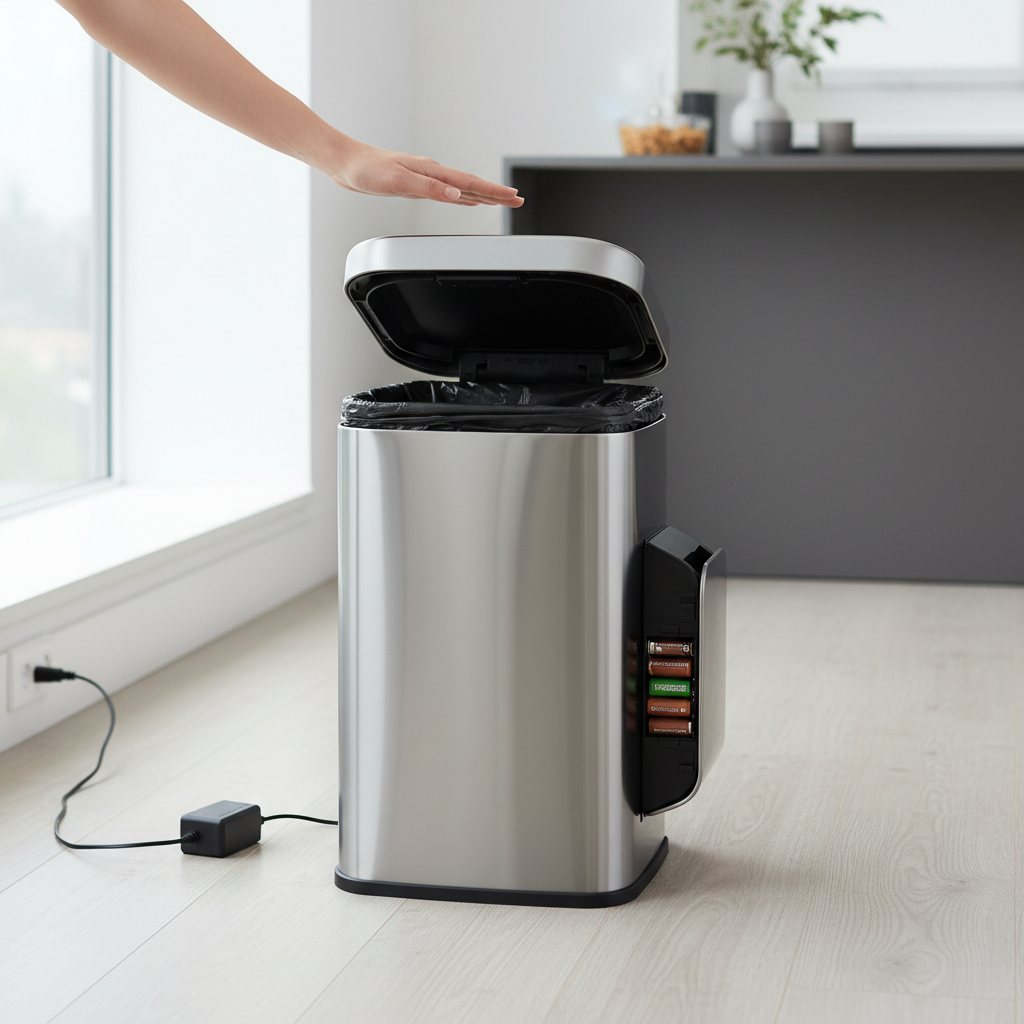
When it comes to powering your smart trash can, the primary distinction lies between models that rely on an AC adapter (plug-in) and those that are battery-powered. Each option presents a unique set of advantages and disadvantages that will influence your experience.
| Feature | AC Adapter Powered Cans | Battery Powered Cans |
|---|---|---|
| Power Source | Direct connection to an electrical outlet | Rechargeable (often lithium-ion) or replaceable (AA/D-size alkaline/lithium) batteries |
| Convenience | “Set it and forget it” – no battery monitoring/replacement | Requires periodic battery replacement or recharging |
| Placement Flexibility | Limited to proximity of an electrical outlet | High flexibility, can be placed anywhere |
| Battery Life/Runtime | Infinite (as long as plugged in) | Typically 3-6 months (can vary from weeks to 1-2 years) |
| Maintenance | Minimal power-related maintenance | Regular battery checks, replacement, or recharging |
| Cost (Ongoing) | Negligible electricity cost | Recurring cost for replaceable batteries or electricity for recharging |
| Environmental Impact | Lower (no battery disposal) | Higher (due to battery manufacturing and disposal) |
| Performance Consistency | Highly consistent, full power always available | May degrade as batteries deplete, potential for slower lid action |
| Cable Management | Requires managing a visible power cord | Cord-free operation |
For battery-powered units, typical battery life can range widely. Many smart bins are designed to last three to six months on a single charge under normal usage patterns. However, this can extend to nine months to a year with routine use of alkaline batteries or even up to two years with lithium batteries, especially with high-quality options and moderate usage. In households with very heavy use, batteries might deplete closer to the three-month mark, or even within weeks if there’s a malfunction or parasitic draw. Factors such as the frequency of lid openings, environmental conditions, and Wi-Fi signal strength all significantly influence how long the battery lasts.
Choosing the Right Smart Trash Can: AC Adapter or Battery?
Making the best choice for your home involves weighing your priorities against the characteristics of each power option.
Determine Usage Needs
Consider how often your trash can will be used. A bustling family kitchen with constant activity will deplete batteries much faster than a smart bin in a guest bathroom. For high-traffic areas, the consistent power of an AC adapter might be more practical. If the bin is for a low-traffic space or where an outlet is inconvenient, battery power offers unmatched flexibility.
Prioritize Essential Features
If you desire advanced features like automatic waste sorting, powerful compaction, or continuous odor neutralization, these functions often draw more power. An AC-powered unit can reliably support these power-hungry features without the worry of frequent battery changes or performance dips. For simpler models focused on touchless lid operation, battery power may suffice.
Placement and Aesthetics
Where do you intend to place your smart trash can? If it’s nestled against a wall near an existing outlet, an AC adapter is a straightforward choice. However, if you envision your bin in the center of an open-plan kitchen, a bathroom without accessible outlets, or anywhere where a visible cord would be unsightly or a tripping hazard, a battery-powered model offers superior aesthetic integration and freedom of placement.
Material and Durability
While the power source doesn’t directly dictate material, consider how materials might influence maintenance. Stainless steel bins are durable and often found in both power types. Ensure the battery compartment (if applicable) is easily accessible and sealed against moisture for longevity.
Brand and Price
Reputable brands often offer more energy-efficient battery-powered options or robust AC-powered systems. While AC-powered units might have a slightly lower initial cost due to the absence of expensive integrated batteries, the long-term cost of replaceable batteries for battery-powered models can add up. Rechargeable battery models offer a good balance, but consider the cost of potential battery replacement down the line.
Where to Buy Reliable Smart Trash Cans
Finding a reputable vendor for smart trash cans ensures product quality and good customer support. Major electronics retailers and department stores often carry a selection of smart trash cans, allowing you to compare models in person. Online marketplaces offer a wider variety, including niche brands and advanced features.
When purchasing online, always review product information thoroughly, paying close attention to power specifications, battery type, and expected battery life. Customer reviews are invaluable for real-world insights into battery performance and durability. Additionally, check the retailer’s and manufacturer’s warranty and return policies, especially concerning battery issues.
How to Use and Maintain Your Smart Trash Can
Proper usage and maintenance are crucial for maximizing the lifespan of any smart appliance, particularly for battery-powered trash cans.
To set up, follow the manufacturer’s guidelines for initial sensor calibration and, if applicable, Wi-Fi connection. For battery-powered models, ensure batteries are installed correctly or fully charged before first use.
Regular cleaning is essential. Wipe the exterior with a damp cloth and mild detergent, and pay special attention to cleaning the sensors with a soft cloth or cotton swab to prevent dirt or debris from affecting their sensitivity. For battery-powered units, periodically check battery terminals for corrosion.
To extend the battery life of a battery-powered smart trash can:
- Consolidate Waste: Try to dispose of multiple small items in one go rather than triggering the lid repeatedly.
- Strategic Placement: Position the bin away from high-traffic areas or direct sunlight to avoid unnecessary sensor activations and maintain optimal battery temperature.
- Deep Discharge/Recharge: Some manufacturers recommend fully draining and then recharging the battery every few months to maintain battery chemistry health.
- Use Quality Batteries: If your bin uses replaceable batteries, invest in high-quality alkaline or lithium options for longer performance.
Reference Pricing for Smart Trash Cans
The price of smart trash cans can vary significantly based on their power source, features, capacity, and brand.
- Budget-friendly models (often battery-powered): These typically focus on basic touchless operation and may use replaceable batteries. They are generally more affordable upfront but might incur ongoing battery costs.
- Mid-range models (often dual-powered or rechargeable): Offering a balance of features, these bins might include advanced odor control or better battery technology, with rechargeable options providing a more economical long-term solution than disposable batteries.
- High-end models (often AC-powered or premium rechargeable): These units boast the most advanced features, such as automatic waste sorting, compaction, extensive app connectivity, and superior materials. The consistent power from an AC adapter supports these complex functions, while premium rechargeable options offer extended life.
Factors influencing price include capacity, material (stainless steel often costs more), sensor technology, the inclusion of odor filters, and brand reputation. Models offering both AC and battery options may fall into the mid to high range due to added versatility.
Buying Guide: What to Know Before You Purchase a Smart Trash Can
Choosing the perfect smart trash can requires careful consideration to ensure it meets your needs and expectations. Here are critical questions and potential pitfalls to avoid:
Before purchasing, ask yourself:
- What is my primary motivation for a smart trash can? Is it hygiene, convenience, aesthetics, or advanced waste management?
- Where will it be placed? Is an electrical outlet readily available and discreet, or do I need the flexibility of battery power?
- How often will it be used? High-usage areas benefit most from consistent power or long-lasting batteries.
- What advanced features are essential for me? Features like compaction or sorting are power-intensive.
- Am I prepared for battery maintenance (replacement or recharging)?
- What is my long-term budget? Consider both initial cost and ongoing expenses for batteries or electricity.
Avoid these common mistakes:
- Underestimating Battery Needs: Don’t assume all battery-powered bins last equally long. Research specific model battery life and consider your usage.
- Ignoring Placement Constraints: Buying an AC-powered bin without a convenient outlet nearby can lead to unsightly cords or limited functionality.
- Overlooking Maintenance Requirements: Smart bins, especially battery-powered ones, require some upkeep to ensure optimal performance.
- Choosing Based Solely on Price: A cheaper battery-powered model might end up costing more in the long run through frequent battery purchases or frustration from dead batteries.
Conclusion
The evolution of smart trash cans offers unparalleled convenience and hygiene in modern homes. A pivotal decision in choosing the right one revolves around its power source: AC adapter or battery. While AC-powered units provide consistent, uninterrupted operation, freeing you from battery worries, they require a nearby outlet and might present cable management challenges. Conversely, battery-powered smart bins offer exceptional placement flexibility and a clean, cord-free aesthetic, though they demand periodic battery replacement or recharging, with typical battery life ranging from three to twelve months depending on usage and battery type.
Ultimately, the best choice hinges on your specific needs, usage patterns, and the environment where the bin will reside. By carefully weighing the benefits of continuous power against the freedom of portability and understanding the maintenance required for each, you can select a smart trash can that seamlessly integrates into your lifestyle, keeping your home clean, convenient, and truly smart. Which power solution best suits your smart home aspirations?
Frequently Asked Questions
How long do batteries typically last in a smart trash can?
On average, batteries in smart trash cans last between three to six months under normal household use. However, this can vary significantly; some quality alkaline batteries might last up to a year, and lithium batteries potentially longer, depending on usage frequency and the bin’s features.
Are rechargeable batteries a good option for smart trash cans?
Yes, rechargeable batteries are an excellent eco-friendly and cost-effective option for smart trash cans, particularly those with integrated battery systems. They reduce the need for constant disposable battery purchases and simplify power management with routine charging.
What drains the battery life of a smart trash can fastest?
The most significant battery drains are frequent lid activations by the motorized mechanism and continuously active motion sensors. Additional features like Wi-Fi connectivity, LED indicators, and compaction functions also contribute to faster battery depletion.
Can an AC-powered smart trash can be used without an outlet?
No, an AC-powered smart trash can requires a direct connection to an electrical outlet to function. It does not have an internal battery for independent operation, meaning it cannot be used where an outlet is unavailable.
Is it worth investing in a smart trash can with both AC and battery power options?
A smart trash can with both AC and battery power options offers maximum versatility. It allows you to use the reliable, consistent power of an AC adapter when an outlet is convenient, and switch to battery power for flexible placement in other areas, providing the best of both worlds.
How do environmental conditions affect smart trash can battery life?
Extreme temperatures, both hot and cold, can negatively impact battery chemistry and reduce overall performance and lifespan. Placing your smart trash can in a temperature-controlled environment helps optimize battery efficiency.
What are the main benefits of an AC adapter over batteries for a smart trash can?
The main benefits of an AC adapter are uninterrupted, consistent power, eliminating the need for battery replacements or recharging. This ensures reliable performance for all features and avoids the ongoing cost and environmental impact associated with disposable batteries.