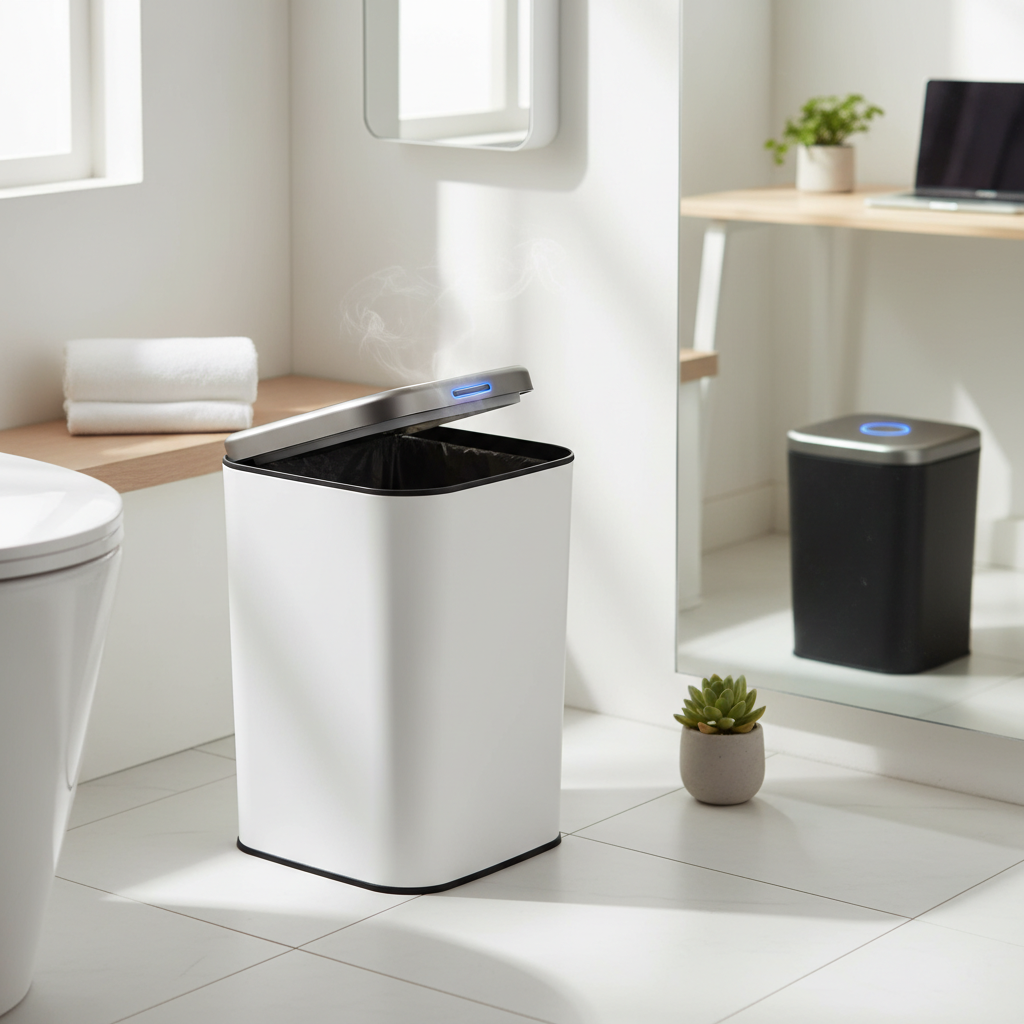
Has your furry friend ever bolted across the room at the whir of your smart trash can? You’re not alone. Many dog owners find their canine companions exhibit an unexpected fear of these modern conveniences. While convenient for us, the seemingly innocuous motor of a smart trash can can trigger genuine fear in our four-legged family members. Understanding why your dog reacts this way is the first step toward helping them overcome this peculiar phobia.
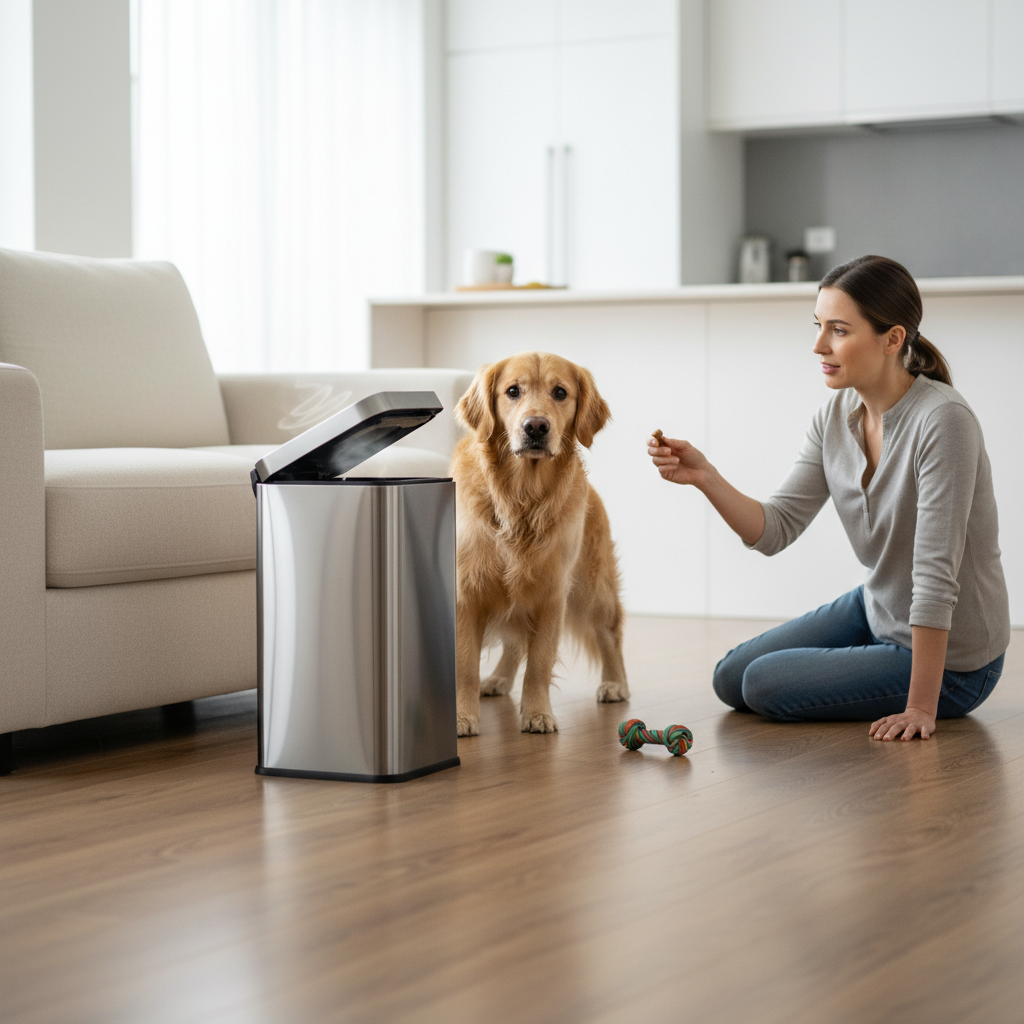
What is a Smart Trash Can Motor and Why is it Scary for Dogs?
A smart trash can integrates automated features, primarily an automatic lid mechanism powered by a small motor. This motor activates when sensors detect movement, opening and closing the lid without manual intervention. For humans, it’s a hygienic and seamless experience. For dogs, however, it can be a source of significant distress.
Dogs possess an incredibly sensitive sense of hearing, far superior to our own. What sounds like a faint whir or click to us can be amplified and startling to their ears. This heightened auditory perception means that even a minor motor sound can register as a loud, intrusive noise. Beyond the sound, the sudden, often unpredictable movement of the lid can also be alarming. Imagine a familiar object suddenly coming to life with an unexpected sound and motion – it’s a surprise, and for a dog, a surprise can easily escalate into fear.
The Benefits of Smart Trash Cans (For Humans)
- Hygiene: Hands-free operation minimizes contact with germs.
- Odor Control: Lids close automatically, trapping odors inside.
- Convenience: Easy disposal, especially when hands are full.
- Modern Aesthetics: Sleek designs fit contemporary kitchens.
|
Our Picks for the Best Smart trash can in 2026
As an Amazon Associate I earn from qualifying purchases.
|
||
| Num | Product | Action |
|---|---|---|
| 1 | Ninestars 13 Gallon Oval Automatic Trash Can, 50L Touchless Motion Sensor Garbage Can with Odor-Sealing Lid & One-Touch Manual Mode, Silver Stainless Steel, Black Trim |

|
| 2 | EKO Deluxe Mirage-T 50 Liter / 13.2 Gallon Touchless Rectangular Motion Sensor Trash Can, Matte Stainless Steel Finish |
|
| 3 | Ninestars 13 Gallon Automatic Trash Can, 50L Touchless Motion Sensor Garbage Can with Odor-Sealing Lid, Rectangular Stainless Steel, Silver Trim |
|
| 4 | Ninestars 13 Gallon Odor Neutralizing Smart Trash Can, UV + Ozone Dual Purification, Odor Control Motion Sensor Garbage Bin, Universal Power Adapter, ONT-50-81SL Stainless Steel, Silver, Nova Series |
|
| 5 | EKO Mirage-T 50 Liter / 13.2 Gallon Touchless Rectangular Motion Sensor Trash Can, Brushed Stainless Steel Finish |
|
| 6 | BestOffice | 13 Gallon Trash Can with Lid | Automatic Touchless Garbage Can | Odor Control | Modern Oval Design | Easy to Clean | Stainless Steel | Fits Any Kitchen, Bathroom, Office or Home |
|
| 7 | iTouchless 24 Gallon Extra Large Touchless Sensor Trash Can with AbsorbX Odor Filter, 91L Commercial Stainless Steel Automatic Kitchen Bin for Home, Office, Restaurant, Commercial Lobby, Store |
|
| 8 | Vanpopubs 2 Pack 2.7 Gal Bathroom Trash Can with Lid, Automatic Trash Can Small Smart Garbage Can Touchless, Slim Motion Sensor Waterproof Plastic Trash Bins for Bedroom Office Kitchen Toilet |
|
| 9 | EKO Mirage-T 50 Liter / 13.2 Gallon Touchless Rectangular Motion Sensor Trash Can, Brushed Stainless Steel Finish (Matte Black) |
|
| 10 | Bathroom Trash Can with Lid, KOEYLE 2 Pack 2.2 Gallon Automatic Touchless Garbage Can, Small Motion Sensor Smart Trash Can, Slim Waterproof Trash Bin for Bedroom, Bathroom, Office, Living Room (Black) |
|
Understanding Your Dog’s Fear: The Root Causes
Several factors contribute to why a dog might be scared of a smart trash can motor. It’s rarely about the trash can itself, but rather how its characteristics interact with your dog’s natural instincts and experiences.
Sensitive Hearing and Startle Response
Dogs can hear a much broader range of frequencies than humans, making them more susceptible to sounds we barely notice. Loud, sudden, or unpredictable noises—like the whirring of a motor or the “thump” of a lid closing—can trigger a primal panic response in their brains. This is a common phenomenon known as noise phobia, affecting up to 50% of dogs to varying degrees. For your dog, the smart trash can motor’s sound isn’t just an inconvenience; it’s a startling, unidentifiable threat.
Lack of Early Socialization and Exposure
Puppies go through critical socialization periods where they learn about the world around them. If a dog wasn’t adequately exposed to various sounds and movements during this time, they might be more prone to developing fears later in life. A smart trash can, with its distinct sounds and movements, might be an entirely new and unsettling experience for an adult dog who missed out on broad sensory exposure as a pup.
Negative Experiences or Associations
Even a single negative experience can create a lasting fear. Perhaps your dog was startled by the trash can opening suddenly, or a loud noise occurred simultaneously with the motor activating. This can create a strong, negative association, teaching your dog that the trash can motor is a precursor to something scary. Over time, this fear can generalize to other similar sounds or objects.
Genetics and Predisposition to Anxiety
Just like humans, some dogs are genetically predisposed to anxiety and fear. Certain breeds or individual dogs may inherit a more nervous temperament, making them more sensitive to stimuli like sudden noises. If your dog already exhibits anxiety towards other loud sounds (like thunderstorms or fireworks), their reaction to the smart trash can motor might be an extension of this inherent predisposition.
Owner’s Reaction
Dogs are incredibly adept at reading our emotions. If you react with tension, worry, or over-comfort your dog when they show fear, you might inadvertently reinforce their anxious behavior. While it’s natural to want to reassure your pet, an overly solicitous response can sometimes communicate that there genuinely is something to be afraid of.
Recognizing the Signs: How Your Dog Shows Fear
Your dog communicates fear in various ways, from subtle cues to overt displays of panic. Recognizing these signs is crucial for understanding their distress and responding appropriately.
- Vocalizations: Whining, whimpering, barking excessively, or even growling.
- Body Language: Tucked tail, flattened ears, hunched posture, piloerection (hair standing up on their back).
- Hiding or Retreating: Running to a “safe” spot (under a bed, in a crate), trying to get away from the sound source.
- Trembling or Shaking: Visible shaking, even when not cold.
- Pacing or Restlessness: Inability to settle, constantly moving around.
- Loss of Appetite/Interest: Refusing treats or toys, disengaging from activities they usually enjoy.
- Clinginess: Seeking excessive comfort or trying to climb on you.
- Elimination: Urinating or defecating indoors, especially if they are house-trained.
“A dog’s sensitive hearing means they perceive many household sounds differently than we do. What’s a gentle whir to us can be a loud, alarming sound to them.” – Dr. Sarah Miller, Certified Veterinary Behaviorist
Effective Strategies to Help Your Dog Overcome Motor Fear
Helping your dog feel comfortable around the smart trash can motor requires patience, understanding, and consistent positive reinforcement.
Desensitization and Counter-Conditioning
This is the most effective long-term strategy. The goal is to change your dog’s emotional response from fear to neutrality or even pleasure.
- Start from a Distance: Place the smart trash can in a room your dog can comfortably ignore.
- Introduce the Sound (Quietly): Trigger the motor from a distance where your dog acknowledges it but doesn’t show fear. This might mean starting in another room.
- Positive Association: Immediately after the motor activates, offer a high-value treat or engage in a quick game of fetch. The key is to associate the motor sound with something positive.
- Gradual Approach: Slowly, over days or weeks, decrease the distance or slightly increase the frequency of the motor sound, only if your dog remains calm. If your dog shows any signs of fear, you’ve moved too quickly; revert to an easier step.
- Consistency is Key: Repeat this process regularly in short, positive sessions.
Create a Safe and Calm Environment
Designate a “safe space” for your dog where they can retreat when feeling overwhelmed. This could be a crate covered with a blanket, a bed in a quiet corner, or a room away from the smart trash can. Ensure this space is always available and associated with positive experiences. When the trash can motor activates, encourage them gently to their safe space if they seem anxious.
Masking the Sound
Sometimes, simply reducing the impact of the sound can help.
- White Noise: Play soft music, a fan, or a white noise machine in the background to help obscure the motor’s sound.
- Soundproofing: If possible, place the trash can in an area with less echo or consider adding soft furnishings to the room to absorb sound.
Distraction and Engagement
If you know when the trash can motor is likely to activate (e.g., when you’re disposing of trash), distract your dog with a favorite toy or a puzzle feeder before the sound occurs. This redirects their focus and creates a positive, engaging experience that overpowers the potential fear response.
Remain Calm and Confident
Your demeanor plays a huge role. Dogs look to their owners for cues. If you’re anxious or overly sympathetic when the motor goes off, your dog may perceive that there’s a genuine threat. Instead, project a calm, reassuring attitude. Speak in a normal, cheerful voice, and calmly continue your activity. Reassurance is good, but over-comforting can inadvertently reinforce the fear.
Consider a Different Trash Can
If, after consistent effort, your dog’s fear remains severe, it might be worth considering a different type of trash can. A pedal-operated or manual lid might be a better fit for your dog’s comfort. Not all smart home devices are for all homes, especially those with sensitive pets.
Professional Guidance
For severe noise phobias or if your dog’s fear suddenly worsens, consult a veterinarian or a certified professional dog behaviorist. They can rule out underlying medical conditions (such as pain that might increase sensitivity to noise) and develop a tailored behavior modification plan.
Conclusion
The whirring motor of a smart trash can, while convenient for us, can be a source of genuine fear for our dogs due to their sensitive hearing and natural instincts. By understanding the reasons behind their anxiety—from sudden sounds to past negative experiences—we can begin to implement strategies that foster confidence and comfort. Through patient desensitization, positive reinforcement, creating safe spaces, and maintaining a calm demeanor, you can help your canine companion navigate the modern world without unnecessary fear. If your dog’s fear persists or intensifies, remember that professional guidance from a vet or behaviorist is always a valuable resource. With time and effort, your dog can learn to live peacefully alongside your smart home gadgets.
Frequently Asked Questions
Can a dog really be scared of something as small as a trash can motor?
Yes, absolutely. Dogs have a much more acute sense of hearing than humans, meaning that what sounds insignificant to us can be loud and startling to them. The sudden, unpredictable nature of the motor’s sound and the lid’s movement can be particularly alarming for sensitive dogs.
How long does it take to train a dog to not be scared of the smart trash can motor?
The time it takes varies greatly depending on the individual dog, the severity of their fear, and the consistency of your training. It can range from a few weeks to several months. Patience and positive reinforcement are crucial, and it’s important not to rush the process.
Should I comfort my dog when they get scared by the trash can motor?
While it’s natural to want to comfort your dog, overly coddling or getting anxious yourself can sometimes reinforce their fear. Instead, project a calm and reassuring attitude. Offer gentle, calm praise and positive reinforcement if they show any curiosity or calm behavior, or simply redirect their attention with a treat or toy.
Could my dog’s fear be a sign of a larger problem?
A sudden onset of noise sensitivity or an escalation of fear can sometimes indicate an underlying medical issue, such as pain, hearing changes due to age, or increased anxiety. If you notice a significant change in your dog’s behavior, it’s always best to consult your veterinarian to rule out any health concerns.