In an era where sustainability and smart living intertwine, the choice of power for our everyday gadgets has become more significant than ever. From remote controls and wireless mice to children’s toys and smart home sensors, many devices rely on portable power. While disposable batteries have long been the default, a growing awareness of their environmental impact and recurring cost has led many to reconsider. Embracing rechargeable batteries is not just an eco-conscious decision; it’s a practical and economically sound move that benefits your wallet, your devices, and the planet. This comprehensive guide explores the compelling reasons to switch to rechargeable batteries, offering insights into their advantages, types, and how to make the best choice for your needs.
What Are Rechargeable Batteries and Why Use Them?
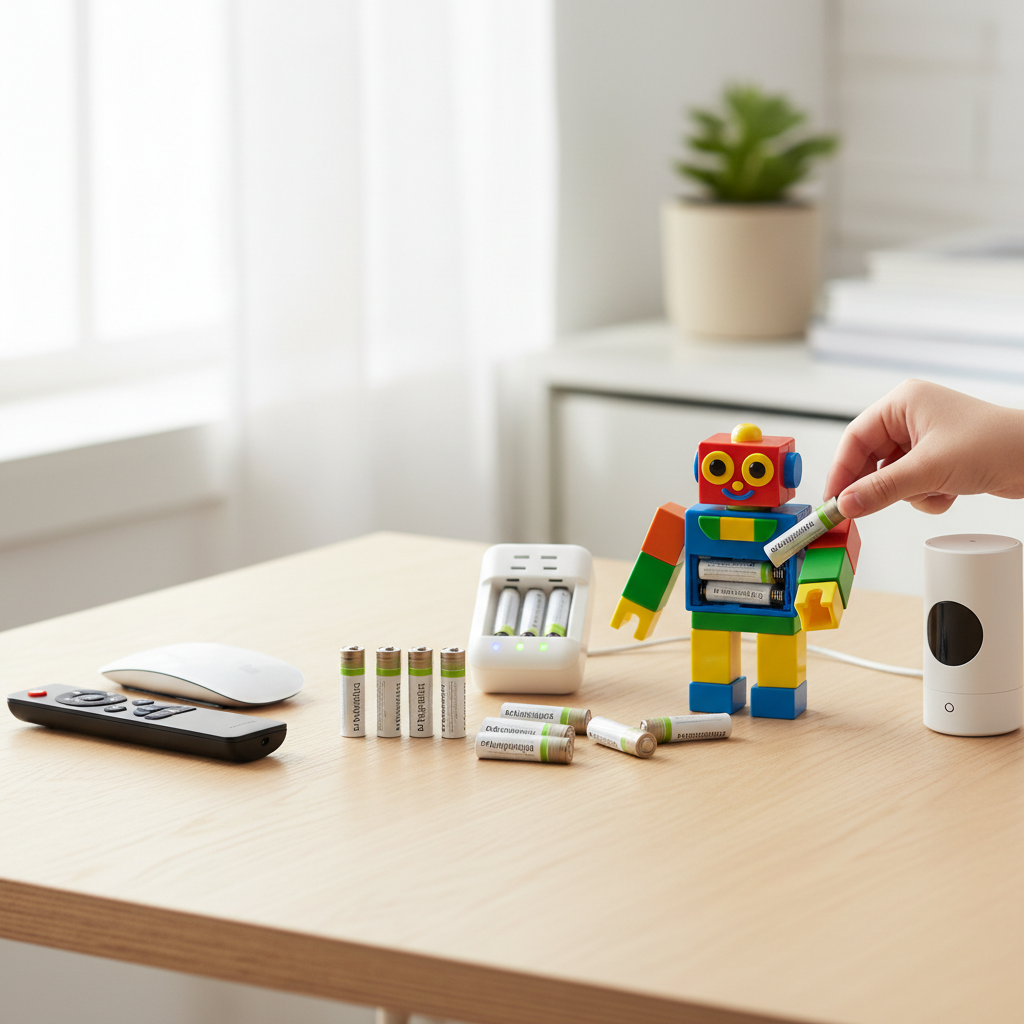
Rechargeable batteries are electrochemical cells that can be repeatedly charged and discharged, unlike their single-use counterparts. They convert chemical energy into electrical energy to power devices, and then reverse the process during recharging, restoring their chemical composition. The primary reasons to embrace these power sources include their significant environmental benefits, substantial long-term cost savings, and often superior performance in modern high-drain electronics. By cycling through hundreds or even thousands of charges, a single rechargeable battery replaces countless disposable ones, drastically reducing waste and the consumption of raw materials.
Key Advantages of Opting for Rechargeable Batteries
Choosing rechargeable batteries offers a multitude of benefits that extend beyond simple convenience, touching on environmental responsibility, financial prudence, and enhanced device performance.
Environmental Impact Reduction
|
Our Picks for the Best Smart trash can in 2026
As an Amazon Associate I earn from qualifying purchases.
|
||
| Num | Product | Action |
|---|---|---|
| 1 | EKO Mirage-T 50 Liter / 13.2 Gallon Touchless Rectangular Motion Sensor Trash Can, Brushed Stainless Steel Finish |

|
| 2 | BestOffice | 13 Gallon Trash Can with Lid | Automatic Touchless Garbage Can | Odor Control | Modern Oval Design | Easy to Clean | Stainless Steel | Fits Any Kitchen, Bathroom, Office or Home |
|
| 3 | iTouchless 24 Gallon Extra Large Touchless Sensor Trash Can with AbsorbX Odor Filter, 91L Commercial Stainless Steel Automatic Kitchen Bin for Home, Office, Restaurant, Commercial Lobby, Store |
|
| 4 | Vanpopubs 2 Pack 2.7 Gal Bathroom Trash Can with Lid, Automatic Trash Can Small Smart Garbage Can Touchless, Slim Motion Sensor Waterproof Plastic Trash Bins for Bedroom Office Kitchen Toilet |
|
| 5 | EKO Deluxe Mirage-T 50 Liter / 13.2 Gallon Touchless Rectangular Motion Sensor Trash Can, Matte Stainless Steel Finish |
|
| 6 | Ninestars 13 Gallon Odor Neutralizing Smart Trash Can, UV + Ozone Dual Purification, Odor Control Motion Sensor Garbage Bin, Universal Power Adapter, ONT-50-81SL Stainless Steel, Silver, Nova Series |
|
| 7 | Ninestars 13 Gallon Oval Automatic Trash Can, 50L Touchless Motion Sensor Garbage Can with Odor-Sealing Lid & One-Touch Manual Mode, Silver Stainless Steel, Black Trim |
|
| 8 | Ninestars 13 Gallon Automatic Trash Can, 50L Touchless Motion Sensor Garbage Can with Odor-Sealing Lid, Rectangular Stainless Steel, Silver Trim |
|
| 9 | EKO Mirage-T 50 Liter / 13.2 Gallon Touchless Rectangular Motion Sensor Trash Can, Brushed Stainless Steel Finish (Matte Black) |
|
| 10 | Bathroom Trash Can with Lid, KOEYLE 2 Pack 2.2 Gallon Automatic Touchless Garbage Can, Small Motion Sensor Smart Trash Can, Slim Waterproof Trash Bin for Bedroom, Bathroom, Office, Living Room (Black) |
|
One of the most compelling arguments for rechargeable batteries is their positive environmental footprint. Disposable batteries contribute significantly to landfill waste and contain hazardous materials like lead, cadmium, and mercury, which can leach into soil and water if not properly disposed of. By using rechargeable batteries, you dramatically reduce the volume of waste generated and minimize the demand for manufacturing new disposable units. This, in turn, conserves natural resources and energy associated with production and transportation, making them a crucial component of a sustainable lifestyle.
Significant Cost Savings Over Time
While the initial purchase price of rechargeable batteries and a compatible charger might be higher than a pack of disposables, the long-term savings are undeniable. A single rechargeable battery can withstand hundreds to over a thousand charge cycles, effectively replacing an equivalent number of disposable batteries. For households with numerous battery-powered devices, these savings quickly add up. Over months and years, the investment in rechargeable power sources pays for itself many times over, making them a financially savvy choice for any consumer.
Consistent Power and Reliable Performance
Many modern electronic devices, especially those with high power demands like digital cameras, game controllers, and some smart home devices, perform better with the consistent voltage delivery of rechargeable batteries, particularly NiMH types. Unlike alkaline batteries, which experience a steady voltage drop throughout their discharge cycle, NiMH batteries maintain a more stable voltage for a longer period. This ensures devices operate at peak performance until the battery is nearly depleted, preventing issues like dimming lights or sluggish device responses that can occur with fading disposable batteries.
Convenience and Preparedness
Imagine never having to rush to the store for batteries again. With rechargeable batteries, you always have a fresh supply readily available, simply by plugging them into a charger. This convenience ensures your essential devices are always powered up and ready for use. For emergencies, having a set of charged batteries on hand can be invaluable, offering peace of mind that you won’t be left in the dark or without communication. It simplifies household management and reduces the last-minute scramble for replacements.
Comparing Rechargeable vs. Disposable Batteries
Understanding the fundamental differences between rechargeable and disposable batteries is key to making an informed decision. Both have their place, but for most regular use, rechargeables offer clear advantages.
| Feature | Rechargeable Batteries (e.g., NiMH, Li-ion) | Disposable Batteries (e.g., Alkaline, Carbon-Zinc) |
|---|---|---|
| Initial Cost | Higher (battery + charger) | Lower |
| Lifespan | Hundreds to thousands of charge cycles | Single use |
| Environmental | Low waste, less hazardous material | High waste, significant hazardous material |
| Performance | Stable voltage, good for high-drain devices | Voltage drops over time, suitable for low-drain |
| Cost Over Time | Very low (after initial investment) | High (recurring purchases) |
| Convenience | Always available (if charged) | Requires replacement purchases |
| Self-Discharge | Higher (especially older NiMH) | Lower |
Disposable batteries, such as alkaline cells, are cost-effective for devices with very low power consumption or for emergency kits where infrequent use and long shelf life are priorities. However, for anything used regularly, their single-use nature quickly becomes a financial and environmental burden.
Choosing the Right Rechargeable Batteries for Your Needs
Selecting the ideal rechargeable batteries involves considering several factors to ensure they meet the specific requirements of your devices and usage patterns.
Identifying Device Power Requirements
Before purchasing, check the battery type your device uses (AA, AAA, C, D, 9V) and consider its power consumption. High-drain devices benefit from higher mAh (milliampere-hour) ratings, which indicate the battery’s capacity and how long it can power a device before needing a recharge. For instance, a wireless gaming controller will benefit more from a higher mAh battery than a wall clock.
Battery Chemistry Considerations
The most common types of rechargeable batteries for consumer electronics are Nickel-Metal Hydride (NiMH) and Lithium-ion (Li-ion).
- NiMH batteries are widely available in standard sizes (AA, AAA, C, D, 9V) and are a direct replacement for alkaline batteries. They offer good capacity and perform well in a broad range of devices. Low self-discharge (LSD) NiMH batteries hold their charge for much longer when stored, making them excellent for occasional use.
- Li-ion batteries typically offer higher energy density, meaning more power in a smaller, lighter package. They are common in smartphones, laptops, and specialized high-performance devices. However, they usually come in specific form factors and require dedicated chargers, and are not direct replacements for standard AA/AAA sizes.
Charger Compatibility and Smart Features
A good charger is as important as the batteries themselves. Look for “smart” chargers that can charge individual cells, detect bad batteries, and stop charging automatically when full to prevent overcharging. Overcharging can reduce battery life and potentially be a safety hazard. Faster charging times are convenient, but slower charging is generally gentler on the batteries and can extend their overall lifespan. Some advanced chargers also offer refresh or discharge functions to help maintain battery health.
Brand Reputation and Value
Investing in reputable brands often ensures better quality, performance, and longevity. Brands like Eneloop (Panasonic), Amazon Basics (often re-branded Eneloop), Duracell, and Energizer are known for producing reliable rechargeable batteries and chargers. While generic options might be cheaper initially, they can sometimes have inconsistent performance, lower capacity, or shorter lifespans, negating the long-term savings.
Where to Purchase Reliable Rechargeable Batteries and Chargers
Finding reputable sources for rechargeable batteries and chargers is crucial to ensure you’re getting authentic products that perform as expected.
You can typically find these products at major electronics retailers, large supermarkets, and reputable online marketplaces. When buying online, always check seller reviews, product specifications, and return policies. Be wary of prices that seem too good to be true, as counterfeit batteries can be a safety risk and often fail to deliver advertised performance. Prioritize retailers with strong customer service and clear warranty information for peace of mind.
Maximizing Life and Performance of Your Rechargeable Batteries
Proper care and maintenance can significantly extend the life and optimize the performance of your rechargeable batteries.
Always use a compatible charger and follow its instructions. Avoid overcharging or deep discharging (letting them run completely flat) if possible, especially with NiMH batteries, as this can reduce their overall lifespan. Store batteries in a cool, dry place, ideally at room temperature, and avoid extreme heat or cold. If storing for an extended period, charge them to about 50-70% capacity before storage. Regularly clean the battery contacts and the charger contacts to ensure a good connection, and periodically inspect batteries for any signs of damage or leakage, replacing them if any issues are found.
Understanding the Cost of Rechargeable Batteries
The true cost of rechargeable batteries is not just the sticker price; it’s a calculation of initial outlay versus recurring expenditure saved.
While a pack of four AA NiMH rechargeable batteries might cost around $15-25 and a good charger another $20-40, this initial investment is quickly offset. If you regularly use four AA batteries a month in a high-drain device, and each disposable pack costs $7, you spend $84 annually. A set of rechargeable batteries can last for 3-5 years or more, saving you hundreds of dollars over their lifetime. The long-term savings often make the higher upfront cost a negligible factor, especially for frequent battery users. Factors like battery chemistry, capacity, and brand influence the initial price.
Comprehensive Buying Guide: Everything You Need to Know
Making the switch to rechargeable batteries is a smart move, and a little preparation ensures you get the most out of your investment.
Before buying, consider these crucial questions:
- What specific battery sizes do my devices require (AA, AAA, etc.)?
- Do I need high-capacity batteries for high-drain devices, or standard capacity for everyday use?
- Which battery chemistry (NiMH or Li-ion) is best suited for my applications?
- Do I have a smart charger, or do I need to purchase one along with the batteries?
- What is my budget for the initial investment, and what long-term savings do I anticipate?
Avoid common pitfalls such as buying unbranded batteries from unknown sources, which often deliver poor performance and can be unsafe. Do not mix different types or brands of batteries in the same device, and always ensure your charger is compatible with the batteries you’re using. Investing in quality from the start will save you frustration and money in the long run.
“Switching to rechargeable batteries is one of the easiest and most impactful ways consumers can reduce their household waste and save money. It’s a win-win for both your wallet and the planet.” – Environmental Advocate, Sustainable Living Institute
Conclusion
The evolution of battery technology has made rechargeable options more efficient, affordable, and accessible than ever before. Embracing rechargeable batteries is a conscious decision to reduce waste, save money, and ensure your devices are consistently powered with reliable energy. By understanding the types, advantages, and proper care of these versatile power sources, you can make an informed choice that supports a more sustainable and economically sound lifestyle. Isn’t it time you made the smart switch for your home and the environment?
Frequently Asked Questions
Are rechargeable batteries truly better for the environment than disposables?
Yes, absolutely. While the manufacturing of rechargeable batteries has an environmental footprint, it is significantly offset by their extended lifespan. A single rechargeable battery can replace hundreds of disposable ones, drastically reducing landfill waste and the associated release of hazardous chemicals, making them a far more eco-friendly choice in the long run.
Can I use rechargeable batteries in any device that uses disposable batteries?
Most devices designed for standard alkaline batteries (AA, AAA, C, D, 9V) can use NiMH rechargeable batteries as a direct replacement. However, it’s always wise to check your device’s manual. Some very low-drain devices or those with specific voltage requirements might not be ideal for certain rechargeable types, but generally, NiMH batteries are broadly compatible.
How long do rechargeable batteries typically last before needing replacement?
The lifespan of rechargeable batteries is measured in charge cycles. Good quality NiMH batteries can last for 500 to over 1000 charge cycles, which translates to several years of regular use before their capacity significantly diminishes. Proper charging and storage practices can help maximize this lifespan.
Is it necessary to completely discharge rechargeable batteries before recharging them?
For modern NiMH batteries, it is generally not necessary to completely discharge them before recharging. Older NiCd batteries suffered from a “memory effect,” but current NiMH technology is much less susceptible. In fact, deep discharging can sometimes reduce the overall lifespan of NiMH batteries, so partial recharges are usually fine.
What are “low self-discharge” (LSD) rechargeable batteries?
Low self-discharge (LSD) rechargeable batteries are a type of NiMH battery specifically engineered to retain their charge for much longer periods when not in use compared to older NiMH types. They are often sold pre-charged and are ideal for devices used intermittently or for emergency kits, as they hold about 70-85% of their charge after a year of storage.