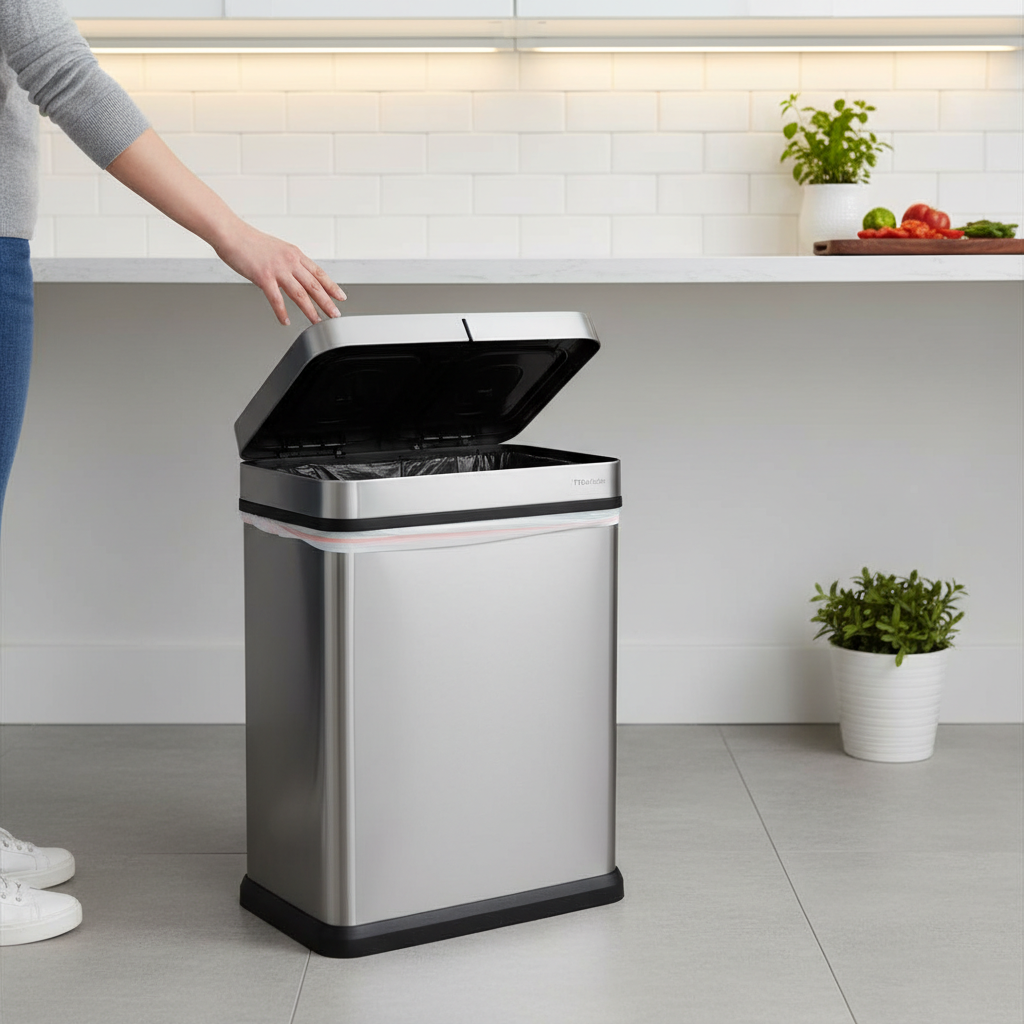
A squeaky trash can lid can be a minor annoyance that disrupts the quiet of your home. That grating sound every time you open or close your bin doesn’t just grate on your nerves; it’s a sign that your trash can’s hinges are experiencing friction, often due to accumulated dirt, grime, or simply lack of lubrication. Fortunately, silencing these noisy hinges is a straightforward task that requires minimal effort and a few common household items. This guide will walk you through the process, ensuring your trash can operates smoothly and quietly once more, while also keeping safety in mind.
What Causes a Squeaky Trash Can Hinge? Understanding the Noise
The primary culprit behind a squeaky trash can hinge is friction. Over time, the constant opening and closing of the lid cause metal or plastic components to rub against each other. This friction is exacerbated by several factors:
- Dirt and Grime Buildup: Trash cans are prone to collecting dust, food particles, and general household debris. These microscopic particles can work their way into the hinge mechanisms, acting as abrasives and increasing friction, leading to that irritating squeak.
- Lack of Lubrication: Hinges, whether on a door or a trash can, require lubrication to move smoothly. Without it, the dry surfaces create resistance, resulting in noise.
- Rust and Corrosion: For metal hinges, exposure to moisture and air can lead to rust. Rust creates a rough surface, intensifying friction and contributing significantly to squeaking.
- Wear and Tear: Continuous use eventually wears down the hinge components. This can create play or looseness in the hinge, leading to metal-on-metal (or plastic-on-plastic) contact that produces noise.
Understanding these causes is the first step toward effective troubleshooting and ensuring your lubrication efforts provide a lasting solution.
Essential Tools and Safe Lubricants for the Job
Before you begin, gathering the right tools and selecting an appropriate lubricant is crucial for a safe and effective repair.
Recommended Lubricants for Trash Can Hinges
Choosing the correct lubricant depends on the material of your trash can hinges (metal or plastic) and whether it’s a kitchen bin where food contact might be a concern.
- Silicone-Based Lubricants: Products like WD-40 Specialist Silicone Lubricant or other silicone sprays are excellent choices. They are generally safe for both metal and most plastic components, create a durable, non-staining film, and repel water. WD-40 Original can also be effective, especially for penetrating rust, but a silicone-based product often offers better long-term lubrication for plastic.
- Household Oils (with caution):
- Mineral Oil: A food-safe option that can work well, especially for kitchen trash cans where incidental food contact is a consideration. It’s clear, odorless, and relatively thin.
- 3-in-1 Oil or Light Machine Oil: These general-purpose oils are effective for metal hinges.
- Cooking Oils (e.g., Olive Oil): While they might offer a temporary fix, cooking oils can oxidize and become gummy over time, attracting more dirt and eventually worsening the problem. They are generally not recommended for long-term lubrication.
- White Lithium Grease: This is a thicker grease that provides heavy-duty, long-lasting lubrication. It’s best for metal-on-metal applications and heavier hinges but can attract dirt if exposed.
- Specialty Penetrants: Products like CRC Knock’er Loose Penetrating Solvent can quickly permeate rust and corrosion, while also lubricating. Be aware that some industrial-strength solvents might be NSF H2 registered, meaning they are acceptable where there’s no possibility of food contact, which is important for kitchen bins. Always check product labels.
|
Our Picks for the Best Smart trash can in 2026
As an Amazon Associate I earn from qualifying purchases.
|
||
| Num | Product | Action |
|---|---|---|
| 1 | Bathroom Trash Can with Lid, KOEYLE 2 Pack 2.2 Gallon Automatic Touchless Garbage Can, Small Motion Sensor Smart Trash Can, Slim Waterproof Trash Bin for Bedroom, Bathroom, Office, Living Room (Black) |

|
| 2 | iTouchless 24 Gallon Extra Large Touchless Sensor Trash Can with AbsorbX Odor Filter, 91L Commercial Stainless Steel Automatic Kitchen Bin for Home, Office, Restaurant, Commercial Lobby, Store |
|
| 3 | Ninestars 13 Gallon Odor Neutralizing Smart Trash Can, UV + Ozone Dual Purification, Odor Control Motion Sensor Garbage Bin, Universal Power Adapter, ONT-50-81SL Stainless Steel, Silver, Nova Series |
|
| 4 | Ninestars 13 Gallon Automatic Trash Can, 50L Touchless Motion Sensor Garbage Can with Odor-Sealing Lid, Rectangular Stainless Steel, Silver Trim |
|
| 5 | Vanpopubs 2 Pack 2.7 Gal Bathroom Trash Can with Lid, Automatic Trash Can Small Smart Garbage Can Touchless, Slim Motion Sensor Waterproof Plastic Trash Bins for Bedroom Office Kitchen Toilet |
|
| 6 | BestOffice | 13 Gallon Trash Can with Lid | Automatic Touchless Garbage Can | Odor Control | Modern Oval Design | Easy to Clean | Stainless Steel | Fits Any Kitchen, Bathroom, Office or Home |
|
| 7 | EKO Mirage-T 50 Liter / 13.2 Gallon Touchless Rectangular Motion Sensor Trash Can, Brushed Stainless Steel Finish (Matte Black) |
|
| 8 | EKO Deluxe Mirage-T 50 Liter / 13.2 Gallon Touchless Rectangular Motion Sensor Trash Can, Matte Stainless Steel Finish |
|
| 9 | EKO Mirage-T 50 Liter / 13.2 Gallon Touchless Rectangular Motion Sensor Trash Can, Brushed Stainless Steel Finish |
|
| 10 | Ninestars 13 Gallon Oval Automatic Trash Can, 50L Touchless Motion Sensor Garbage Can with Odor-Sealing Lid & One-Touch Manual Mode, Silver Stainless Steel, Black Trim |
|
Important: Always check the lubricant’s compatibility with plastic if your hinges are made of this material, as some lubricants can degrade certain plastics.
Tools You’ll Need
- Protective Gloves: Essential for keeping your hands clean and safe from dirt and chemicals.
- Mild Cleaning Solution: A mix of warm water and a few drops of dish soap, or a diluted vinegar solution.
- Cleaning Cloths/Paper Towels: For wiping down surfaces and cleaning up excess lubricant.
- Old Toothbrush or Small Brush: Ideal for scrubbing grime out of tight crevices in the hinges.
- Screwdriver (optional): If you need to partially disassemble the lid or hinges for better access.
- Cotton Swabs: For precise lubricant application in small areas.
Step-by-Step Guide: How to Clean and Lubricate Your Trash Can Hinges
Follow these steps to effectively eliminate that annoying squeak and ensure smooth operation.
Step 1: Safety First
Before you do anything else, prioritize safety:
- Empty the Trash Can: Remove any trash bags and wipe down the interior of the can. This prevents new debris from getting into the hinges and makes the cleaning process more hygienic.
- Wear Gloves: Protect your hands from dirt, grime, and cleaning solutions or lubricants.
- Work in a Well-Ventilated Area: If using aerosol lubricants, ensure good air circulation.
Step 2: Thorough Cleaning of the Hinges
Cleaning is arguably the most critical step. Lubricating dirty hinges will only trap the grime and provide a very temporary fix.
- Inspect the Hinges: Carefully examine the hinges for visible dirt, grease, rust, or debris. Note any areas that seem particularly stiff or corroded.
- Prepare Cleaning Solution: Mix warm water with a squirt of mild dish soap. For stubborn grime or light rust, a 50/50 white vinegar and water solution can also be effective.
- Clean the Hinges: Dip an old toothbrush or a small cleaning brush into your solution and thoroughly scrub all parts of the hinges. Pay close attention to the pivot points, pins, and any small crevices where dirt loves to hide. For heavily soiled areas, you might need to repeat this step.
- Wipe and Rinse: Use a damp, clean cloth to wipe away all the loosened grime and soap residue. If possible, you can lightly rinse the hinges with clean water, being careful not to soak any electronic components if it’s a smart trash can.
- Dry Completely: This is crucial. Use a clean, dry cloth or paper towels to thoroughly dry the hinges. Any residual moisture can lead to rust or dilute your lubricant. You can also let it air dry completely for an hour or two.
Step 3: Applying the Lubricant Correctly
Once the hinges are spotless and dry, it’s time to apply the lubricant.
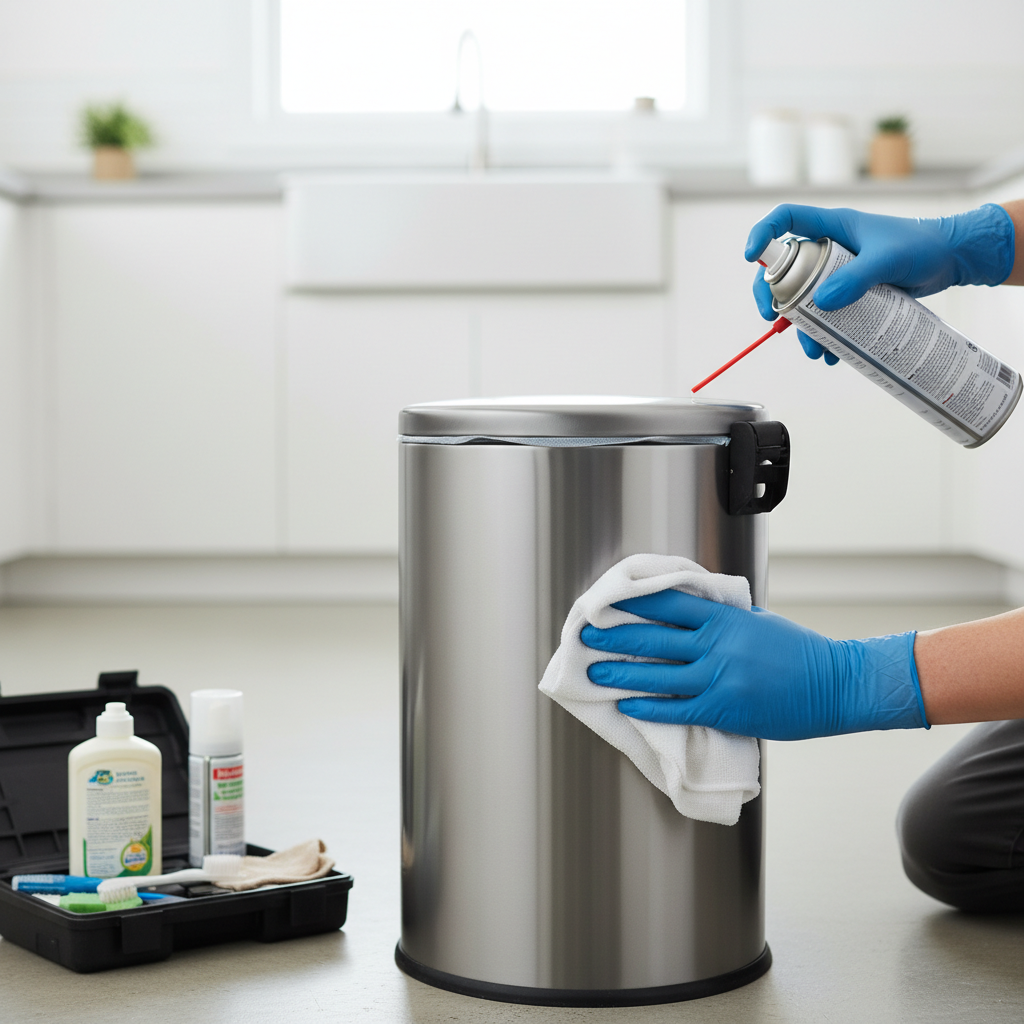
- Apply Sparingly: A little goes a long way. Apply a small amount of your chosen lubricant directly to the hinge pins, pivot points, and any moving parts. For spray lubricants, use the attached straw for precision and avoid overspray. For oils, cotton swabs can help you apply just a few drops.
- Work it In: Gently open and close the trash can lid several times. This action helps the lubricant penetrate all the moving parts of the hinge mechanism, distributing it evenly. You should notice the squeak diminishing or disappearing almost immediately.
- Wipe Off Excess: Use a clean paper towel or cloth to wipe away any excess lubricant. This prevents it from attracting dust and grime, which could lead to future squeaks, and keeps your trash can looking tidy.
- Test the Lid: Continue opening and closing the lid a few more times to ensure the squeak is gone and the lid moves smoothly. If there’s still a faint noise, apply another small amount of lubricant to the affected area.
“Many people overlook the cleaning step, but it’s the foundation of a lasting repair. Lubricant on top of grime is just a temporary band-aid.” – Expert DIYer, Home Maintenance Solutions
Maintaining a Quiet Trash Can: Tips for Longevity
Preventing future squeaks is easier than fixing them. Incorporate these maintenance tips into your routine:
- Regular Cleaning: Make it a habit to wipe down your trash can, including the lid and hinges, every few weeks. A quick wipe with a damp, soapy cloth can prevent dirt buildup.
- Periodic Re-lubrication: Depending on how frequently you use your trash can, plan to re-lubricate the hinges every 3-6 months. This proactive approach keeps them operating smoothly.
- Avoid Harsh Cleaners: Stick to mild soap and water or vinegar solutions for cleaning. Harsh chemicals can corrode metal parts or degrade plastic, potentially causing more problems than they solve.
- Proper Waste Disposal: Ensure trash bags are properly sealed and don’t leak, preventing food particles and liquids from seeping into the hinge mechanisms.
Troubleshooting Other Trash Can Noises
Sometimes, the squeak might not be solely from the hinges. Other issues can contribute to a noisy trash can:
- Lid Alignment Issues: If the lid is misaligned, it might rub against the can’s body or other parts when opening or closing. Check if the lid sits evenly and adjust if possible.
- Pedal Mechanism (for Foot-Pedal Cans): For foot-pedal operated cans, the internal rods and springs connected to the pedal can also become noisy. These often benefit from a silicone-based lubricant applied carefully to their pivot points, much like the hinges.
- Body Rubbing: Sometimes, the plastic or metal body of the can itself might rub against a wall or cabinet, creating noise. Ensure your can has adequate clearance.
- Damaged Components: If cleaning and lubricating don’t resolve the issue, inspect for any bent, broken, or worn-out parts that might need repair or replacement.
Buying Guide: Important Considerations for Trash Can Hinges
When selecting or maintaining a trash can, thinking about the hinge mechanism can save you future headaches:
- Hinge Material: Metal hinges are generally more durable but can rust. Plastic hinges are rust-proof but can be less robust.
- Design: Some trash cans have concealed hinges, which look cleaner but can be harder to access for cleaning and lubrication. Exposed hinges are easier to maintain.
- Soft-Close Mechanisms: Many modern trash cans feature soft-close lids, which often use more complex hydraulic or spring-loaded hinge systems that require less frequent lubrication but can be more challenging to service if they malfunction.
Consider these aspects to make an informed choice and keep your trash can in optimal, silent condition.
Conclusion
A squeaky trash can lid doesn’t have to be a permanent fixture in your home. By following a simple process of thorough cleaning and safe, appropriate lubrication, you can restore peace and quiet to your kitchen or office. Remember, regular maintenance is key to keeping those hinges moving smoothly and extending the life of your trash can. So, grab your cleaning supplies and lubricant, and enjoy the silent simplicity of a well-maintained bin.
What steps will you take today to ensure your trash can lid moves quietly and effortlessly?
Frequently Asked Questions
How often should I lubricate my trash can hinges?
For typical household use, lubricating your trash can hinges every 3 to 6 months is a good general guideline. If your trash can is in a high-traffic area or used very frequently, you might consider lubricating it more often, perhaps every 2 to 3 months, to prevent squeaks from returning.
Can I use cooking oil to lubricate hinges?
While cooking oil (like olive oil or vegetable oil) might provide a temporary fix for a squeaky hinge, it is generally not recommended for long-term lubrication. Cooking oils can oxidize and become sticky or gummy over time, attracting dust and dirt, which can ultimately worsen the squeaking and lead to more frequent cleaning.
What if my trash can lid is still squeaking after lubrication?
If your trash can lid continues to squeak after you’ve thoroughly cleaned and lubricated the hinges, it’s possible that the noise is coming from another part of the mechanism. Check the lid’s alignment, inspect any internal pedal rods or springs for foot-pedal cans, or look for signs of wear, damage, or rubbing on other components that might require further attention or repair.