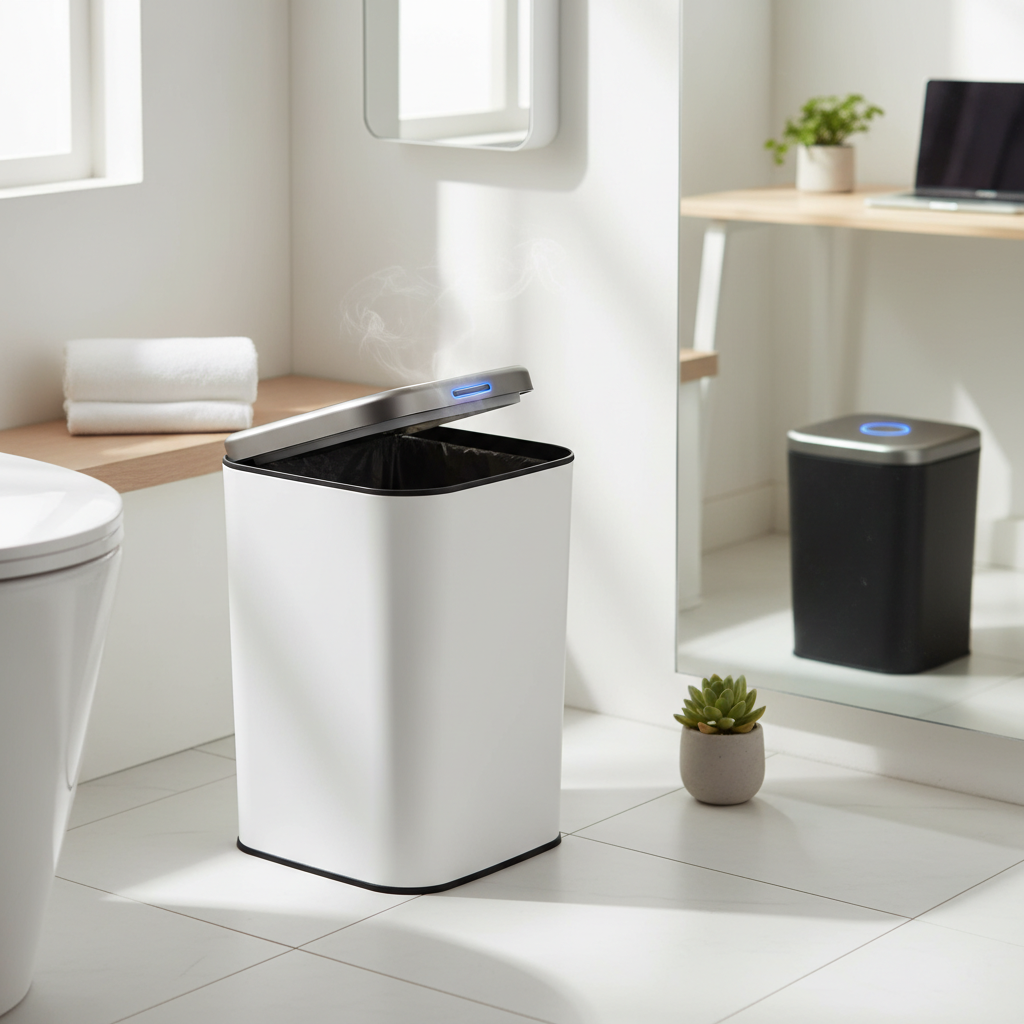
Stepping into a cleaner, more convenient home often starts with the unsung hero of household management: the trash can. But when it comes to modern living, the humble bin has evolved into a sophisticated smart appliance. As you navigate the world of intelligent waste disposal, one crucial decision stands out: choosing the right capacity. This guide dives deep into the comparison between 13-gallon and 8-gallon smart trash cans, helping you determine which size is the perfect fit for your lifestyle and home.
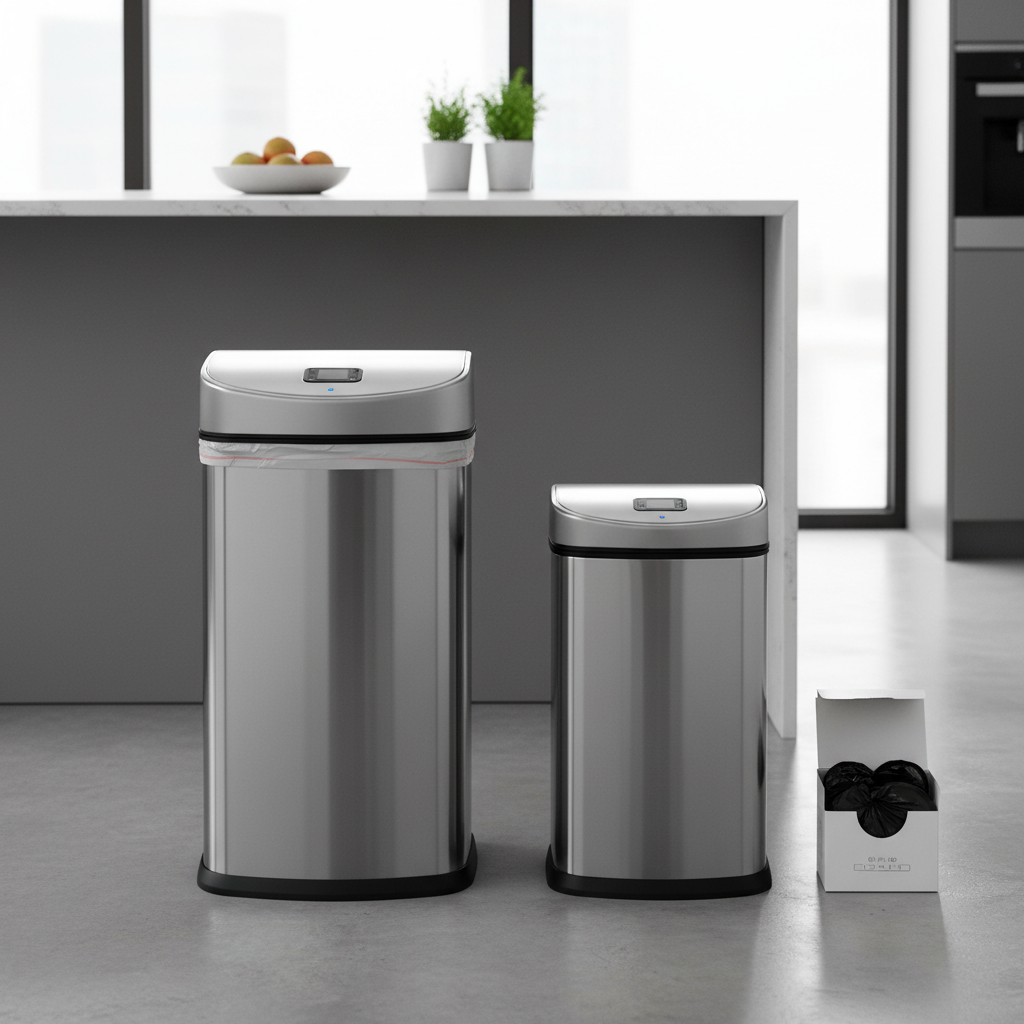
What is a Smart Trash Can and Why Use One?
A smart trash can is an advanced waste receptacle equipped with technology to enhance hygiene, convenience, and efficiency in waste disposal. These devices move beyond simple foot pedals, integrating sensors and other innovative features. Using a smart trash can offers numerous benefits, from preventing the spread of germs to minimizing unpleasant odors and streamlining daily chores.
These modern bins primarily offer a touchless experience, allowing you to discard waste without direct contact with the lid. Beyond hands-free operation, many smart models incorporate advanced functionalities like odor neutralization, automatic bag changes, and even waste compaction. This technological leap transforms a basic household item into an intelligent assistant, making waste management a cleaner, more seamless part of your routine and contributing to a more hygienic and modern living environment.
Key Features of Smart Trash Cans
Smart trash cans come packed with innovative features designed to elevate your waste management experience. These functionalities move beyond traditional bins, offering superior hygiene, convenience, and often a touch of modern luxury. Understanding these capabilities is essential when comparing different models and capacities.
Automatic Sensor Opening/Closing
|
Our Picks for the Best Smart trash can in 2026
As an Amazon Associate I earn from qualifying purchases.
|
||
| Num | Product | Action |
|---|---|---|
| 1 | EKO Deluxe Mirage-T 50 Liter / 13.2 Gallon Touchless Rectangular Motion Sensor Trash Can, Matte Stainless Steel Finish |

|
| 2 | Ninestars 13 Gallon Oval Automatic Trash Can, 50L Touchless Motion Sensor Garbage Can with Odor-Sealing Lid & One-Touch Manual Mode, Silver Stainless Steel, Black Trim |
|
| 3 | BestOffice | 13 Gallon Trash Can with Lid | Automatic Touchless Garbage Can | Odor Control | Modern Oval Design | Easy to Clean | Stainless Steel | Fits Any Kitchen, Bathroom, Office or Home |
|
| 4 | EKO Mirage-T 50 Liter / 13.2 Gallon Touchless Rectangular Motion Sensor Trash Can, Brushed Stainless Steel Finish (Matte Black) |
|
| 5 | EKO Mirage-T 50 Liter / 13.2 Gallon Touchless Rectangular Motion Sensor Trash Can, Brushed Stainless Steel Finish |
|
| 6 | Bathroom Trash Can with Lid, KOEYLE 2 Pack 2.2 Gallon Automatic Touchless Garbage Can, Small Motion Sensor Smart Trash Can, Slim Waterproof Trash Bin for Bedroom, Bathroom, Office, Living Room (Black) |
|
| 7 | iTouchless 24 Gallon Extra Large Touchless Sensor Trash Can with AbsorbX Odor Filter, 91L Commercial Stainless Steel Automatic Kitchen Bin for Home, Office, Restaurant, Commercial Lobby, Store |
|
| 8 | Ninestars 13 Gallon Automatic Trash Can, 50L Touchless Motion Sensor Garbage Can with Odor-Sealing Lid, Rectangular Stainless Steel, Silver Trim |
|
| 9 | Vanpopubs 2 Pack 2.7 Gal Bathroom Trash Can with Lid, Automatic Trash Can Small Smart Garbage Can Touchless, Slim Motion Sensor Waterproof Plastic Trash Bins for Bedroom Office Kitchen Toilet |
|
| 10 | Ninestars 13 Gallon Odor Neutralizing Smart Trash Can, UV + Ozone Dual Purification, Odor Control Motion Sensor Garbage Bin, Universal Power Adapter, ONT-50-81SL Stainless Steel, Silver, Nova Series |
|
One of the most defining characteristics of a smart trash can is its automatic lid operation. These bins typically use motion sensors, infrared technology, or even voice commands to detect your presence or vocal cues, opening the lid without physical contact. The lid then closes automatically after a few seconds of inactivity, effectively containing odors and reducing germ transfer. This touchless convenience is particularly valuable when your hands are full in the kitchen or during tasks that require strict hygiene.
Odor Control and Disinfection
Managing unpleasant smells is a top priority for any trash can, and smart models often excel here. Many smart trash cans incorporate built-in odor control systems, utilizing activated carbon filters, anion technology, or specialized deodorizers to neutralize foul smells at the source. Some even boast UV sterilization or anti-bacterial coatings to inhibit germ growth, contributing to a fresher and more hygienic home environment. An appropriately sized trash can can also significantly reduce bacterial growth.
Automatic Waste Compaction/Sealing
For those looking to maximize space and minimize bag changes, some advanced smart trash cans feature automatic waste compaction technology. These systems compress the trash when it reaches a certain level, creating more room within the bin and effectively reducing the frequency of emptying. Other models offer self-sealing and self-changing bag mechanisms, which automatically seal a full bag and replace it with a fresh one, further simplifying waste disposal and ensuring a completely hands-off experience.
Connectivity and App Control
The most sophisticated smart trash cans leverage IoT (Internet of Things) technology, connecting to your home’s Wi-Fi network. This connectivity allows for features like fill-level monitoring, sending alerts to your smartphone when the bin is nearing capacity. Some models even integrate with smart home ecosystems, enabling voice control or remote operation through a dedicated mobile app. These advanced features offer unprecedented control and insights into your household waste management.
13-Gallon Smart Trash Cans: The Versatile Standard
The 13-gallon (approximately 50-liter) smart trash can has earned its reputation as the residential standard for good reason. This capacity strikes a balance between size and convenience, making it the “sweet spot” for many households. It’s particularly well-suited for the dynamic environment of a family kitchen, where waste generation is typically highest.
Pros of 13-Gallon Smart Trash Cans
- Less Frequent Emptying: For families of 3-4, a 13-gallon can can hold waste for approximately 3-4 days, significantly reducing the chore of daily emptying. This means fewer interruptions and more time for other activities.
- Fits Standard Bags: This capacity aligns perfectly with readily available 13-gallon kitchen garbage bags, ensuring easy and cost-effective liner replacement without needing specialized sizes.
- Ideal for Families: Households with moderate to heavy cooking habits, or those with 3-4 members, find this size accommodates their waste volume comfortably. It handles daily food scraps, packaging, and general kitchen waste without overflowing prematurely.
- Versatile Placement: While often found in kitchens, 13-gallon smart trash cans can also serve well in larger shared office spaces or utility rooms where waste accumulates steadily.
Cons of 13-Gallon Smart Trash Cans
- Space Requirement: Being a larger bin, a 13-gallon model requires more floor space, which can be a concern for smaller kitchens or apartments. Its dimensions typically range from 23.6-28.23 inches in height and 12-16.35 inches in width.
- Odor Potential: If waste isn’t disposed of regularly, a 13-gallon can might allow odors to linger, especially with perishable food items, before the bag is full enough to warrant emptying.
- Bulkier Design: While modern designs aim for sleekness, a 13-gallon can will always have a more substantial presence compared to its smaller counterparts.
Ideal Use Cases
A 13-gallon smart trash can is the optimal choice for:
- Family Kitchens (3-4 people): It handles the daily output of a busy kitchen, from meal prep to dinner cleanup.
- Households with Moderate Waste: If you cook frequently and generate a fair amount of non-recyclable or non-compostable waste.
- Main Waste Station: It serves well as the primary waste collection point in a home, complementing smaller bins in other rooms.
8-Gallon Smart Trash Cans: Compact Convenience
The 8-gallon (approximately 30-liter) smart trash can offers a more compact solution, prioritizing space-saving and frequent disposal. This size is a fantastic option for individuals, couples, or smaller spaces where a large bin would be intrusive or unnecessary. It provides the benefits of smart technology without the footprint of a larger model.
Pros of 8-Gallon Smart Trash Cans
- Space-Saving Design: An 8-gallon smart trash can is significantly smaller, making it perfect for snug kitchens, apartments, or under-sink cabinets. Its compact dimensions allow for flexible placement without cluttering your living area.
- Frequent Emptying for Odor Control: Due to its smaller capacity, you’ll empty it more often. This frequent disposal is a major advantage for controlling odors, especially if you dispose of quick-decaying organic waste, as trash doesn’t sit for long periods.
- Ideal for Smaller Households: For 1-2 person households, or individuals who actively recycle and compost, an 8-gallon bin is often perfectly sufficient for general waste.
- Versatile Room Placement: Beyond small kitchens, 8-gallon smart trash cans are excellent for bedrooms, home offices, or bathrooms where waste volume is typically low and discretion is desired.
- Specialized Smart Features: Some smaller smart cans excel in features like self-sealing and self-changing bags, offering a unique level of hands-free convenience that is highly valued in compact spaces.
Cons of 8-Gallon Smart Trash Cans
- Frequent Bag Changes: The primary drawback is the need to change bags more often, which can be an inconvenience for busy individuals or households that generate a surprising amount of waste.
- May Fill Up Quickly: In households with higher waste output or during gatherings, an 8-gallon can might quickly overflow, requiring immediate attention.
- Limited for Heavy Waste: It’s not suitable as the sole kitchen trash can for a family of four or more, especially if heavy cooking occurs daily.
Ideal Use Cases
An 8-gallon smart trash can is the optimal choice for:
- Single-Person or Couple Households: It adequately handles the waste generated by 1-2 people without becoming overfilled too quickly.
- Small Kitchens and Apartments: Its compact size is perfect for maximizing limited floor space.
- Supplemental Bins: Ideal for bedrooms, home offices, or craft rooms as a secondary smart bin for light waste.
- Active Recyclers/Composters: If most of your waste is diverted, an 8-gallon bin for residual trash is highly practical.
Comparison: 13-Gallon vs. 8-Gallon Smart Trash Cans
Choosing between a 13-gallon and an 8-gallon smart trash can boils down to understanding how each capacity aligns with your specific needs. Here’s a direct comparison to help clarify the differences:
| Feature | 13-Gallon Smart Trash Can | 8-Gallon Smart Trash Can |
|---|---|---|
| Capacity (Approx.) | 50 liters | 30 liters |
| Ideal Household Size | 3-4 people | 1-2 people |
| Recommended Room | Main Kitchen, Large Offices | Small Kitchens, Apartments, Bedrooms, Offices |
| Emptying Frequency | Every 3-4 days (moderate waste) | Daily or every 1-2 days (light waste) |
| Space Requirement | Moderate to Large Footprint | Compact, Space-Saving |
| Odor Management | Requires good odor filtration; potential if waste sits long. | Frequent emptying inherently reduces odor buildup. |
| Bag Availability | Standard 13-gallon bags, widely available | Standard 8-gallon (or similar) bags, readily available. |
| Typical Smart Features | Motion sensor, odor filter, durable construction. | Motion sensor, self-sealing/changing bags, odor filter. |
| Primary Benefit | Fewer bag changes, accommodates more waste. | Saves space, better odor control with frequent changes. |
“The right trash can capacity isn’t just about how much trash you make, but how often you want to deal with it and how much space you’re willing to dedicate.”
Choosing the Right Smart Trash Can Capacity for Your Home
Selecting the perfect smart trash can capacity for your home involves more than just picking a number. It requires a thoughtful assessment of your lifestyle, living space, and waste management preferences. Consider these key factors to make an informed decision that truly enhances your daily routine.
Assess Your Household Size and Waste Habits
The number of people in your home is a primary determinant. A single person or a couple typically generates less waste, making an 8-gallon smart trash can a practical choice. For a family of three to four, a 13-gallon model is usually the ideal size for a kitchen, allowing for several days between bag changes. However, your waste habits are equally important. Do you cook frequently, generating lots of food scraps? Do you diligently recycle and compost, thereby reducing your general waste volume? Households that actively divert waste might find a smaller general trash can sufficient, even with more people.
Evaluate Available Space
Before committing to a size, meticulously measure the area where you intend to place the smart trash can. Consider both the footprint and the vertical clearance, especially if placing it under a counter or near an island. Remember to account for the lid’s opening mechanism; a sensor lid often requires extra overhead clearance. Slim or rectangular designs are generally more space-efficient than round ones for fitting against walls or in tight corners. A 13-gallon can, while standard, might overwhelm a compact kitchen, whereas an 8-gallon offers flexible placement options.
Prioritize Smart Features
While both 8-gallon and 13-gallon bins can be “smart,” some features might be more prevalent or beneficial in specific sizes. For instance, smaller smart cans often highlight self-sealing and self-changing bags, perfect for keeping things tidy in a bedroom or small office. Larger kitchen models might prioritize robust motion sensors, strong odor filters, and durable construction for heavy-duty use. Decide which smart functionalities are non-negotiable for your needs, whether it’s touchless operation, superior odor control, or advanced connectivity.
Consider Aesthetic and Material
Beyond functionality, the appearance and construction of your smart trash can play a role in your home’s aesthetic. Smart trash cans come in various materials, including stainless steel, plastic, and even bamboo, with finishes ranging from fingerprint-proof to sleek matte. Choose a material that is durable, easy to clean, and complements your interior decor. A well-chosen smart trash can can be a functional statement piece, seamlessly integrating into your living space.
Where to Buy Smart Trash Cans and What to Look For
Once you’ve determined the ideal capacity and desired features for your smart trash can, the next step is finding a reputable place to make your purchase. Smart trash cans are available through a variety of retailers, both online and in brick-and-mortar stores.
You can typically find a wide selection at major online marketplaces like Amazon, Wayfair, and The Home Depot, which often provide extensive product descriptions, customer reviews, and comparative pricing. For those who prefer to see products in person, large electronics stores, home goods retailers, and department stores may carry a limited selection of smart trash cans.
When purchasing, always check for clear product information regarding capacity, dimensions, battery life (if applicable), and specific smart features. Prioritize brands with good customer reviews that highlight durability and reliable sensor performance. Furthermore, look into the warranty and return policies, as these can be crucial for electronic devices. A good warranty provides peace of mind, especially for innovative home appliances.
Maximizing Your Smart Trash Can’s Lifespan and Efficiency
A smart trash can is an investment in convenience and hygiene, and with proper care, it can serve your home efficiently for years. Maximizing its lifespan and ensuring optimal performance involves mindful placement, regular cleaning, and attention to its power source.
Start with placement tips. Position your smart trash can in an area where its motion sensor has a clear line of sight, but avoid direct sunlight or high-traffic zones where accidental activations could occur. Ensure there’s ample clearance for the lid to open fully, especially under countertops or near kitchen islands. Keeping it away from heat sources or excessive moisture will also protect its internal electronics.
For cleaning and maintenance, regularly wipe down the exterior with a soft, damp cloth and a mild cleaner to keep it smudge-free and hygienic. For the interior, after emptying a bag, a quick wipe with disinfectant can prevent odors and bacterial buildup. If your smart can has an odor filter, follow the manufacturer’s instructions for replacement or cleaning. [cite: 3 (search result 1)]
Regarding battery/power considerations, most smart trash cans are either battery-operated or plug-in. If battery-powered, keep spare batteries on hand and replace them as recommended to avoid interruptions. Some models use rechargeable batteries, offering a more sustainable option. If it’s a plug-in model, ensure it’s placed near a convenient outlet, keeping cords safely out of the way. Proper care not only extends the product’s life but also maintains its efficiency in keeping your home clean and fresh.
Price Guide for Smart Trash Cans by Capacity
The price of a smart trash can can vary significantly based on its capacity, brand, materials, and the sophistication of its smart features. Understanding these general price segments can help you budget for your purchase.
For 8-gallon smart trash cans, prices typically range from $40 to $100. This segment often includes models with basic motion sensing, good sealing, and perhaps simple odor filters. Brands focusing on space-saving and fundamental smart features usually fall within this range, making them accessible entry points for those with smaller needs or tighter budgets.
13-gallon smart trash cans, being the standard kitchen size, generally command prices between $70 and $200. These models frequently offer more robust construction, premium finishes (like fingerprint-proof stainless steel), advanced odor control systems, and sometimes more sophisticated sensor technology. High-end brands or those with integrated features like voice control or unique bag-changing mechanisms will push towards the higher end of this spectrum.
Factors that heavily influence the price include:
- Brand Reputation: Established smart home appliance brands often have higher price points due to their proven reliability and advanced technology.
- Material Quality: Stainless steel, especially with smudge-proof coatings, is typically more expensive than durable plastic constructions.
- Advanced Features: Self-sealing/changing bags, compaction technology, IoT connectivity, and voice control add to the cost.
- Design and Aesthetics: Sleek, award-winning designs or specialized shapes may also contribute to a higher price.
While an investment, a smart trash can offers long-term benefits in hygiene and convenience, making the cost often justifiable for the right fit.
Buying Guide: Essential Considerations Before Your Purchase
Before you finalize your smart trash can purchase, take a moment to review these essential considerations. Making a well-thought-out decision now will ensure satisfaction and avoid common pitfalls, helping you integrate this smart appliance seamlessly into your home.
Here are the critical questions to ask yourself and common mistakes to avoid:
Questions to Consider:
- What is my true waste generation volume? Don’t just estimate. Track your trash for a week to gauge actual needs.
- How many people live in my household, and what are their waste habits? Consider if composting or recycling significantly reduces your general waste.
- Where will the trash can be placed, and what are the exact dimensions (width, depth, height) of that space, including lid clearance?
- Which smart features are absolutely essential for me (e.g., touchless, odor control, self-sealing)? Avoid paying for features you won’t use.
- What is my budget, and how does it align with desired features and capacity?
- What material best suits my aesthetic and durability requirements?
- Is battery operation or a plug-in model more convenient for my chosen location?
Common Mistakes to Avoid:
- Choosing the wrong size: The most frequent error is picking a can that’s too small, leading to constant emptying, or too large, causing odors before it’s full.
- Ignoring lid clearance: Forgetting to measure height with the lid fully open can lead to an ill-fitting bin, especially under counters.
- Overlooking odor control: Even a smart can can smell if it lacks effective odor filtration or if the capacity is too large for your emptying frequency.
- Disregarding bag compatibility: Ensure the chosen capacity works with standard trash bags or readily available specialized liners.
- Not checking reviews/warranty: Skipping these can lead to frustration with durability or sensor issues down the line.
By carefully considering these points, you can confidently select a smart trash can that perfectly matches your household’s demands and brings a new level of efficiency to your home.
Conclusion
Choosing between a 13-gallon and an 8-gallon smart trash can is a decision that significantly impacts your daily convenience and home hygiene. The 13-gallon model stands as a versatile standard, ideal for families and moderate waste generation, offering fewer bag changes. In contrast, the 8-gallon smart trash can provides compact efficiency, perfect for smaller households, apartments, or as a supplemental bin, inherently promoting better odor control through more frequent emptying. Both capacities integrate advanced smart features like touchless operation and odor neutralization, but their suitability hinges on your household size, waste habits, and available space.
Ultimately, the best smart trash can capacity for you is one that harmonizes with your unique lifestyle, making waste management a seamless and pleasant experience. By assessing your needs, evaluating space, and prioritizing essential features, you can make an informed choice that contributes to a cleaner, more organized home. Which capacity will truly elevate your home’s waste management system?
Câu Hỏi Thường Gặp
How often should I empty an 8-gallon smart trash can?
An 8-gallon smart trash can typically needs to be emptied daily or every other day, especially if used in a kitchen, to prevent odors and overflowing for 1-2 person households. For lighter use in bedrooms or offices, it may last longer.
Is a 13-gallon smart trash can too big for a small kitchen?
A 13-gallon smart trash can might be too big for a truly small kitchen, consuming valuable floor space. Consider its dimensions and available clearance, especially if you have an under-sink area or limited corners, where a slim or 8-gallon model might fit better.
Do smart trash cans really help with odors?
Yes, many smart trash cans are designed with features like tight-sealing lids, activated carbon filters, or anion deodorizers that effectively neutralize and contain odors, significantly improving hygiene compared to traditional bins. [cite: 3 (search result 1)]
Can I use regular trash bags in a smart trash can?
Most 13-gallon smart trash cans are designed to accommodate standard 13-gallon kitchen trash bags. Smaller 8-gallon models also typically fit their corresponding standard bag sizes. However, some advanced smart cans with self-sealing or compacting features may require proprietary bags for optimal functionality.
What’s the typical battery life for a motion-sensor smart trash can?
The typical battery life for a motion-sensor smart trash can can vary, but many models using D-size batteries can last from 3 months up to 1.5 years, depending on usage frequency and battery quality. Some models are rechargeable or plug-in.