In an age where smart technology seamlessly integrates into every corner of our homes, even our waste management systems are evolving. Forget fumbling with dirty lids or battling persistent odors; the latest smart trash cans are designed to elevate hygiene, convenience, and efficiency. For 2026, the forefront of this innovation lies in models featuring UV-C sterilization, offering an advanced layer of germ protection and a truly cleaner environment. If you’re ready to transform your daily routine and invest in a healthier home, understanding these cutting-C cutting-edge devices is your first step.
What Are Smart Trash Cans and Why Use Them?
Smart trash cans are sophisticated waste receptacles equipped with advanced technology to streamline waste disposal and enhance household hygiene. Beyond simply holding refuse, these intelligent bins redefine our interaction with trash. At their core, smart trash cans leverage sensors, automation, and sometimes connectivity to offer a hands-free and more sanitary experience.
The benefits of upgrading to a smart trash can are numerous and immediately noticeable. They provide unparalleled convenience through features like automatic lid opening, ensuring you never have to touch a potentially germ-laden surface, especially when your hands are full. This hands-free operation significantly boosts hygiene, reducing the spread of bacteria and viruses in high-traffic areas like kitchens and bathrooms. Furthermore, many models boast superior odor control, keeping unpleasant smells contained and maintaining a fresh living space. In essence, smart trash cans bring a touch of modern sophistication, making a mundane chore both easier and cleaner, ultimately contributing to a more pleasant and healthy home environment.
Smart trash cans can be broadly categorized by their primary functionalities, materials, and sizes. Many operate on motion sensors, automatically opening their lids with a wave of a hand or a knee nudge, while others might feature voice commands. Some advanced models also include self-sealing and self-changing bag mechanisms, taking the mess out of bag disposal. They come in various capacities and materials, from fingerprint-resistant stainless steel to durable plastics, allowing you to choose a model that perfectly fits your aesthetic and practical needs.
Key Features of Smart Trash Cans
Modern smart trash cans are packed with innovative features designed to make waste disposal more hygienic and effortless. From touchless operation to advanced germ-killing technology, these bins are far more than simple containers.
Automatic Sensor Lids
|
Our Picks for the Best Smart trash can in 2026
As an Amazon Associate I earn from qualifying purchases.
|
||
| Num | Product | Action |
|---|---|---|
| 1 | Vanpopubs 2 Pack 2.7 Gal Bathroom Trash Can with Lid, Automatic Trash Can Small Smart Garbage Can Touchless, Slim Motion Sensor Waterproof Plastic Trash Bins for Bedroom Office Kitchen Toilet |

|
| 2 | Bathroom Trash Can with Lid, KOEYLE 2 Pack 2.2 Gallon Automatic Touchless Garbage Can, Small Motion Sensor Smart Trash Can, Slim Waterproof Trash Bin for Bedroom, Bathroom, Office, Living Room (Black) |
|
| 3 | iTouchless 24 Gallon Extra Large Touchless Sensor Trash Can with AbsorbX Odor Filter, 91L Commercial Stainless Steel Automatic Kitchen Bin for Home, Office, Restaurant, Commercial Lobby, Store |
|
| 4 | BestOffice | 13 Gallon Trash Can with Lid | Automatic Touchless Garbage Can | Odor Control | Modern Oval Design | Easy to Clean | Stainless Steel | Fits Any Kitchen, Bathroom, Office or Home |
|
| 5 | Ninestars 13 Gallon Automatic Trash Can, 50L Touchless Motion Sensor Garbage Can with Odor-Sealing Lid, Rectangular Stainless Steel, Silver Trim |
|
| 6 | Ninestars 13 Gallon Odor Neutralizing Smart Trash Can, UV + Ozone Dual Purification, Odor Control Motion Sensor Garbage Bin, Universal Power Adapter, ONT-50-81SL Stainless Steel, Silver, Nova Series |
|
| 7 | Ninestars 13 Gallon Oval Automatic Trash Can, 50L Touchless Motion Sensor Garbage Can with Odor-Sealing Lid & One-Touch Manual Mode, Silver Stainless Steel, Black Trim |
|
| 8 | EKO Deluxe Mirage-T 50 Liter / 13.2 Gallon Touchless Rectangular Motion Sensor Trash Can, Matte Stainless Steel Finish |
|
| 9 | EKO Mirage-T 50 Liter / 13.2 Gallon Touchless Rectangular Motion Sensor Trash Can, Brushed Stainless Steel Finish |
|
| 10 | EKO Mirage-T 50 Liter / 13.2 Gallon Touchless Rectangular Motion Sensor Trash Can, Brushed Stainless Steel Finish (Matte Black) |
|
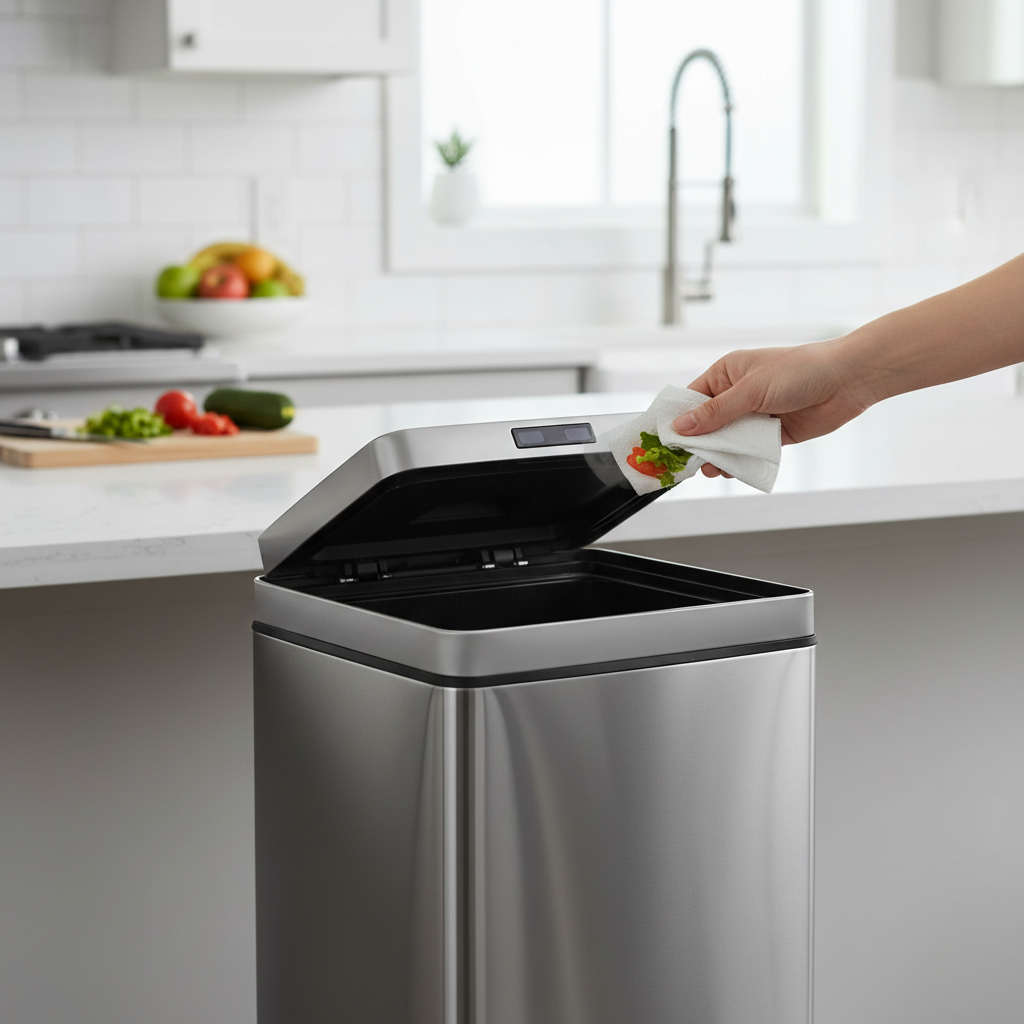
One of the most defining characteristics of a smart trash can is its automatic sensor lid, offering a truly hands-free experience. These lids typically utilize infrared motion sensors to detect movement, opening swiftly and quietly as you approach or wave your hand. This eliminates the need for physical contact with the lid, which is particularly beneficial when handling raw food, dirty items, or in high-traffic environments where germ spread is a concern. The convenience extends beyond hygiene, as it also means no more struggling to open a lid when your hands are full, making meal preparation and everyday clean-up significantly smoother. Many sensors are designed to be responsive yet avoid accidental openings, often featuring adjustable sensitivity or a delay function.
Odor Neutralization and Germ Killing
The battle against unpleasant trash odors and lurking germs is where smart trash cans truly shine, especially those equipped with UV-C sterilization. Traditional methods often rely on air fresheners or carbon filters, but UV-C technology offers a powerful, chemical-free solution for deeper sanitation.
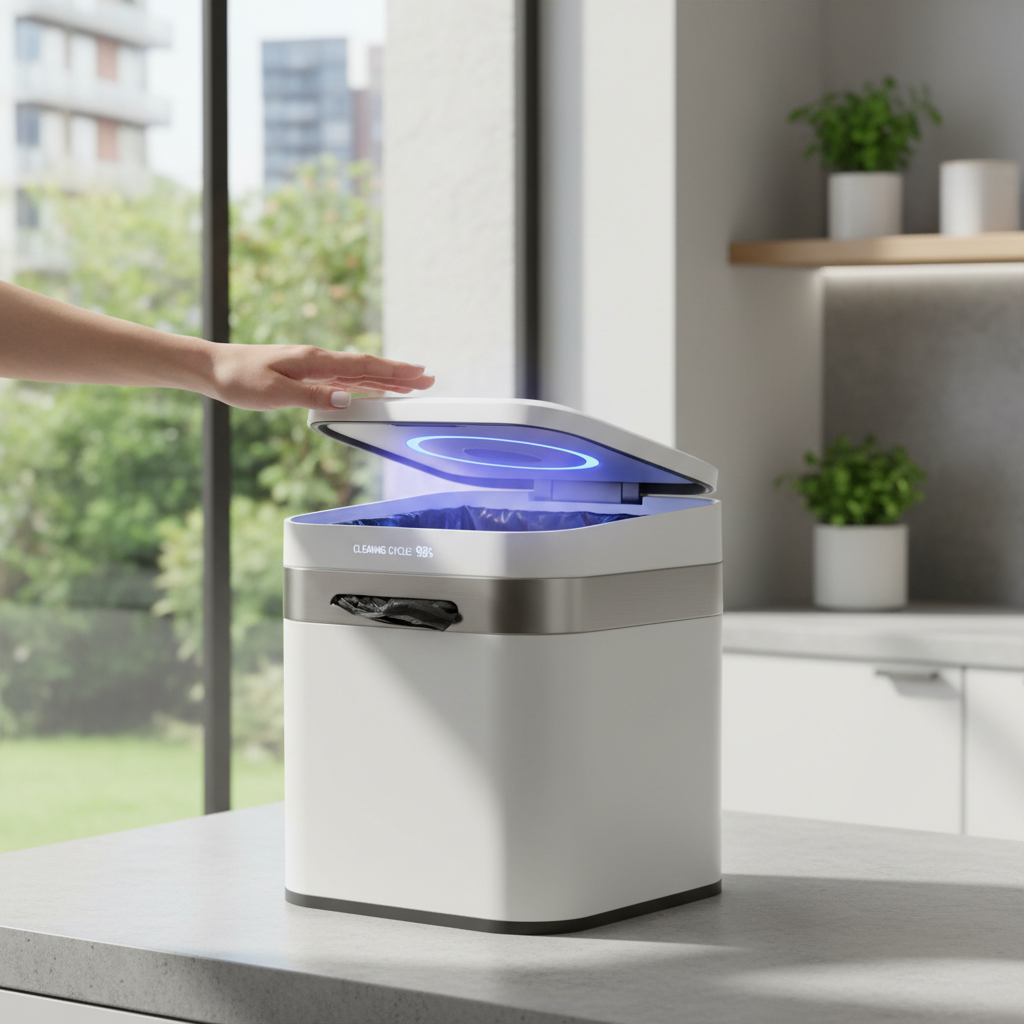
- How UV-C Works: Ultraviolet-C (UV-C) light utilizes a specific wavelength (between 200 to 280 nanometers) that is highly effective at disrupting the DNA and RNA of microorganisms like bacteria, viruses, and fungi. This genetic damage prevents them from replicating and rendering them inactive. In a smart trash can, UV-C lamps are strategically placed to sanitize the interior surfaces and the waste itself after the lid closes or on a timed cycle.
- Effectiveness and Benefits: UV-C light has been shown to deactivate over 99% of various pathogens, making it a formidable tool against illness-causing microorganisms and the bacteria that cause foul odors. By actively sterilizing the contents and interior of the bin, UV-C technology significantly enhances hygiene, prevents cross-contamination, and provides superior odor control compared to passive methods. This continuous sanitation creates a healthier environment, minimizing airborne contaminants and maintaining a consistently fresh scent in your space. Keep in mind that UV-C light has limited penetration and is most effective on surfaces, so regular exposure after disposal is key.
Automatic Bag Sealing and Changing
Some of the most advanced smart trash cans take convenience to the next level with automatic bag sealing and changing capabilities. Brands like Airdeer and Townew offer models that, with a single touch or a simple command, will heat-seal the filled trash bag, preventing leaks and containing odors. Once the old bag is removed, the system then automatically dispenses and fits a new trash bag into place. This innovative feature eliminates the need to manually tie off messy bags or wrestle with installing new liners, making waste disposal completely hands-off and significantly more pleasant. This automation not only saves time but also minimizes direct contact with waste, further boosting hygiene.
Smart Connectivity
While not universally present, some premium smart trash cans integrate with smart home ecosystems, offering enhanced control and monitoring via your smartphone. This connectivity can include features like checking the bin’s fill level, receiving notifications when the bag needs changing or the UV-C sterilization cycle is complete, and even adjusting sensor sensitivity or scheduling cleaning cycles. Integrating your trash can into your smart home network adds another layer of convenience, allowing you to manage your waste system remotely and stay informed about its status.
Top Smart Trash Cans with UV-C Sterilization
As we look to 2026, the market for smart trash cans with UV-C sterilization is growing, with several manufacturers recognizing the demand for enhanced hygiene. While a comprehensive list of all 2026 models might still be emerging, some key players and features have stood out.
Brands like NineStars are at the forefront, with models such as the ONT-50-81 and ONT-50-82 specifically featuring UV odor neutralizing technology for 2025/2026. These 13.2-gallon cans combine advanced deodorization with built-in UV sterilization to combat smells and kill bacteria, operating for up to 120 hours on the UV neutralizer [3.2]. Afralia™ also offers a Smart UV Sensor Trash Bin, highlighting its automatic sensor, UV capabilities, and hygienic design [2.1]. Similarly, companies like Bosheen feature Ultraviolet Disinfection Automatic Trash Bins with UV-C light technology that runs for a few minutes after the lid closes to sanitize surfaces [3.3].
When comparing these cutting-edge devices, consider the following:
| Feature | NineStars ONT-50-81/82 | Afralia™ Smart UV Sensor Bin | Bosheen UV Trash Can |
|---|---|---|---|
| Capacity | 13.2 Gallons (approx.) | Not specified (Various sizes) | Various sizes |
| Material | Stainless Steel | High-quality plastic | 430 Stainless steel/PP |
| UV-C Function | UV odor neutralizer, kills bacteria, up to 120 hours run time | UV disinfection | UV-C light after lid closes, auto on every 12 hours |
| Sensor Type | Motion sensor, hands-free | Hand-wave sensor | Motion sensors, feet kick, button |
| Odor Control | Advanced deodorization | Yes | Sealed design, kills odor-causing bacteria |
| Durability | Built for longevity | Durable | Sturdy |
| Additional Features | Inclined lid, barrel plug design | Touchpad style | IPX5 Waterproof, silent closing, dry/wet classification |
These models generally integrate other smart features like touchless operation, often with motion sensors, to further enhance the sanitary experience. The primary goal across these brands is to provide a comprehensive solution for household waste, emphasizing germ reduction and effective odor management through UV-C light.
How to Choose the Right Smart Trash Can with UV-C
Selecting the ideal smart trash can with UV-C sterilization involves more than just picking a stylish design. It requires careful consideration of your lifestyle, specific needs, and the technical aspects of these advanced devices.
Assess Your Needs
Begin by evaluating your household’s unique requirements. Consider the number of people in your home and the volume of waste generated daily. A large family will benefit from a higher capacity bin, while a single individual might prefer a compact model. Think about the types of waste you primarily dispose of; if you frequently have organic waste, a powerful UV-C system and strong odor control are paramount. Finally, determine the ideal placement for your smart trash can—kitchen, bathroom, office, or nursery—as this will influence the preferred size, shape, and aesthetic.
Optimal Capacity and Size
Matching the trash can’s capacity to your needs is crucial for efficiency. Common sizes range from small 3-gallon bins suitable for bathrooms or offices, to larger 13-gallon or 20-gallon models ideal for busy kitchens. Ensure the dimensions fit comfortably in your designated space without obstructing movement or looking out of place. Some models offer slim profiles or dual compartments for recycling, which can be space-saving and highly functional.
Prioritize Essential Features
While UV-C sterilization is a primary concern, also consider other smart features that enhance your experience.
- UV-C Effectiveness: Look for specific claims on germ-killing efficiency (e.g., “kills 99.9% of bacteria and viruses”). While all UV-C is designed to sterilize, some systems might offer different intensities or cycle durations.
- Automatic Lid Operation: Motion sensors are standard, but check for responsiveness, quiet operation, and adjustable sensitivity to prevent accidental openings.
- Odor Control: Beyond UV-C, some bins include activated carbon filters or sealed lids for an extra layer of odor protection.
- Automatic Bag Features: Self-sealing and self-changing bags offer unparalleled convenience and hygiene, though they typically require proprietary refill rings.
- Connectivity: If smart home integration is important, check for app control, voice command compatibility, or integration with platforms like Alexa or Google Assistant.
Material and Durability
The material of your smart trash can affects both its aesthetics and longevity. Stainless steel is a popular choice for its sleek appearance, durability, and fingerprint-resistant finishes, making it easy to clean and maintain. Plastic options are often lighter and more budget-friendly. Ensure the construction feels sturdy and the internal mechanisms (like lid hinges and bag changers) are built to withstand daily use. A good warranty can also be an indicator of a product’s expected durability.
Brand Reputation and Pricing
Research reputable brands known for quality smart home appliances. Look for companies with positive customer reviews and reliable customer service. While smart trash cans with UV-C sterilization can be a significant investment, consider the long-term benefits of enhanced hygiene and convenience. Price points will vary based on brand, capacity, materials, and the array of smart features included.
Where to Buy Reliable Smart Trash Cans with UV-C
Finding your ideal smart trash can with UV-C sterilization is easier than ever, with a variety of trusted retailers offering these advanced appliances.
Online Retailers: Major e-commerce platforms such as Amazon, Walmart, and AliExpress are excellent starting points. They typically offer a vast selection from various brands, competitive pricing, and extensive customer reviews that can provide valuable insights into product performance and reliability. Websites like Build Your Ideas also feature specific smart trash can models, including those with self-sealing and UV features. [2.2]
Department Stores and Home Appliance Stores: Large chain stores and dedicated home appliance retailers may carry a curated selection of smart trash cans. While the online selection might be broader, these stores offer the advantage of seeing the product in person, assessing its size, material, and build quality before purchasing.
Specialty Smart Home Stores: Some regions may have specialized smart home technology stores that focus on the latest innovations, including advanced waste management solutions. These stores often have knowledgeable staff who can provide detailed demonstrations and recommendations.
Tips for Buying Online:
- Verify Product Information: Always double-check the product description to confirm it explicitly states UV-C sterilization as a feature.
- Read Customer Reviews: Pay close attention to feedback regarding the UV-C function’s effectiveness, durability, and any common issues.
- Check Warranty and Return Policies: Understand the manufacturer’s warranty and the retailer’s return policy in case the product doesn’t meet your expectations.
- Compare Prices: Use price comparison tools to ensure you’re getting the best deal, but be wary of unusually low prices that might indicate a counterfeit or inferior product.
Usage and Maintenance Guide for Your Smart Trash Can
To maximize the lifespan and effectiveness of your smart trash can, particularly one with UV-C sterilization, proper usage and consistent maintenance are key.
Upon installation, follow the manufacturer’s instructions carefully for battery placement (if applicable) or power connection. Familiarize yourself with how to activate all features, including the automatic lid sensor, UV-C sterilization cycles, and any automatic bag sealing/changing mechanisms. For UV-C models, ensure the bin is placed where its sterilization cycle won’t be accidentally interrupted.
Regular cleaning is essential, even with a self-sterilizing unit. Wipe down the exterior frequently with a soft, damp cloth, especially if it’s a fingerprint-resistant stainless steel model. For the interior, remove the trash bag and use a mild disinfectant spray and a cloth to clean the inner walls and lid, paying special attention to any areas where the UV-C light operates. Most bins have removable inner buckets or liners that make this process easier. Avoid harsh chemicals or abrasive scrubbers that could damage the finish or electronic components.
For UV-C components, ensure the UV lamp area remains clear of debris. Refer to your manual for specific cleaning recommendations for the UV-C emitter, as some may require special care. If your unit uses replaceable filters (for odor control or air purification), adhere to the recommended replacement schedule to maintain optimal performance. Regularly check battery levels and recharge or replace them as needed to ensure continuous operation of all smart features. By following these simple guidelines, your smart trash can will remain hygienic and efficient for years to come.
Reference Pricing for Smart Trash Cans
The price of smart trash cans, particularly those equipped with advanced UV-C sterilization, can vary significantly based on brand, features, capacity, and materials.
- Entry-Level (Under $100): These often include basic motion-sensor operation and sometimes a simple odor filter. UV-C sterilization is less common in this range, or might be offered as a very basic function in smaller bins made of plastic.
- Mid-Range ($100 – $300): This is where you’ll find a wider selection of smart trash cans with more robust features. Many UV-C sterilization models, like the NineStars options, fall into this category, offering a good balance of advanced hygiene, durable materials (often stainless steel), and convenient smart features like improved motion sensors and better odor control. You might also find self-sealing functions here.
- High-End ($300+): Premium smart trash cans, especially those with comprehensive UV-C sterilization, automatic bag sealing and changing, large capacities, premium materials, and full smart home integration, can reach into this price bracket. These models typically offer the most advanced technology and superior build quality.
Factors influencing price include:
- UV-C Technology: The quality and intensity of the UV-C sterilization system, and whether it’s an integrated, long-lasting solution, will impact cost.
- Additional Smart Features: Automatic bag sealing, self-changing bags, voice control, Wi-Fi connectivity, and integrated recycling compartments add to the price.
- Material and Design: Stainless steel construction, unique aesthetics, and specialized finishes (e.g., fingerprint-resistant) are generally more expensive than plastic.
- Capacity: Larger bins naturally cost more than smaller, compact models.
- Brand Reputation: Established brands known for innovation and quality often command higher prices.
While the initial investment for a UV-C enabled smart trash can might be higher than a traditional bin, the long-term benefits in terms of hygiene, odor control, and convenience often justify the cost for many households.
Buying Guide: What to Know Before You Buy a Smart Trash Can
Investing in a smart trash can with UV-C sterilization is a step towards a cleaner, more convenient home. To ensure you make the best decision for your needs, consider these crucial points before your purchase.
First, understand the specific benefits of UV-C sterilization. It’s a powerful tool for killing germs and controlling odors, but it’s important to remember its primary function is surface disinfection. Check if the product clearly outlines its UV-C effectiveness and safety measures. Next, consider the ecosystem of smart features. Do you need automatic lid opening only, or are self-sealing bags, voice control, or app integration essential for your lifestyle? Prioritize features that genuinely solve your household’s waste management challenges.
Evaluate the size and placement carefully. A bin too small will require frequent emptying, while one too large might overwhelm your space. Think about where it will sit and measure to ensure a proper fit. Also, look into the power source; some models are battery-operated, offering flexibility in placement, while others are plug-in. Consider battery life and recharging convenience if going wireless.
Finally, research brands and read real-world reviews. Look for consistent positive feedback on the smart features, especially the UV-C function’s durability and effectiveness. Don’t shy away from checking the warranty information, as it reflects the manufacturer’s confidence in their product.
Questions to ask before buying:
- How often does the UV-C cycle run, and can it be customized?
- What is the power source, and what is the expected battery life?
- Are proprietary bags or refill rings required, and what is their cost and availability?
- How easy is it to clean the interior and the UV-C components?
- What is the warranty coverage for the electronic components and the UV-C system?
Common mistakes to avoid:
- Underestimating capacity: A small bin for a busy kitchen leads to overflow and frustration.
- Ignoring UV-C safety: Ensure the UV-C light is safely enclosed and won’t expose users or pets to direct radiation.
- Overlooking bag compatibility: Some self-sealing bins require specific, often more expensive, refill bags.
- Forgetting about odor control beyond UV-C: While UV-C helps, a well-sealed lid and optional carbon filters provide a comprehensive defense against smells.
By being informed, you can select a smart trash can that not only manages waste but actively contributes to a cleaner, healthier, and more convenient home environment.
Conclusion
The evolution of the humble trash can into a sophisticated smart appliance, particularly with the integration of UV-C sterilization, marks a significant step forward in home hygiene and convenience. These cutting-edge devices offer a hands-free, odor-controlled, and germ-reduced solution to daily waste management, enhancing the overall well-being of your household. From automatic sensor lids to self-sealing bags and the powerful sanitizing properties of UV-C light, smart trash cans are designed to make a once-unpleasant chore seamless and sanitary. As we navigate 2026, investing in a high-quality smart trash can with UV-C sterilization is more than just a luxury; it’s a practical enhancement for a healthier, more modern living space. Are you ready to embrace the future of waste disposal and experience a new level of clean?
Frequently Asked Questions
How effective is UV-C sterilization in a smart trash can?
UV-C sterilization in smart trash cans is highly effective at deactivating over 99% of bacteria, viruses, and fungi on exposed surfaces, significantly reducing odor-causing microorganisms and preventing the spread of germs within the bin. Its effectiveness is maximized by consistent exposure to the light.
Are smart trash cans with UV-C safe for home use?
Yes, smart trash cans with UV-C are designed with safety in mind. The UV-C light is typically activated when the lid is closed, preventing direct exposure to users. Always follow manufacturer guidelines to ensure safe operation.
Do UV-C smart trash cans also control odors?
Absolutely. By killing odor-causing bacteria and other microorganisms inside the bin, UV-C sterilization actively neutralizes unpleasant smells, offering a more effective and long-lasting odor control solution than traditional methods. Many models also include sealed lids for an extra layer of protection.
How often should I clean a smart trash can with UV-C?
While UV-C sterilization handles germ killing, regular manual cleaning of the interior and exterior is still recommended every few weeks to remove any residue or debris. Always consult your product’s manual for specific cleaning instructions for the UV-C components.
Do these smart trash cans require special trash bags?
Some smart trash cans, particularly those with automatic self-sealing and self-changing features, may require proprietary refill rings or specific bag types. Always check product specifications to understand bag compatibility and ongoing refill costs.