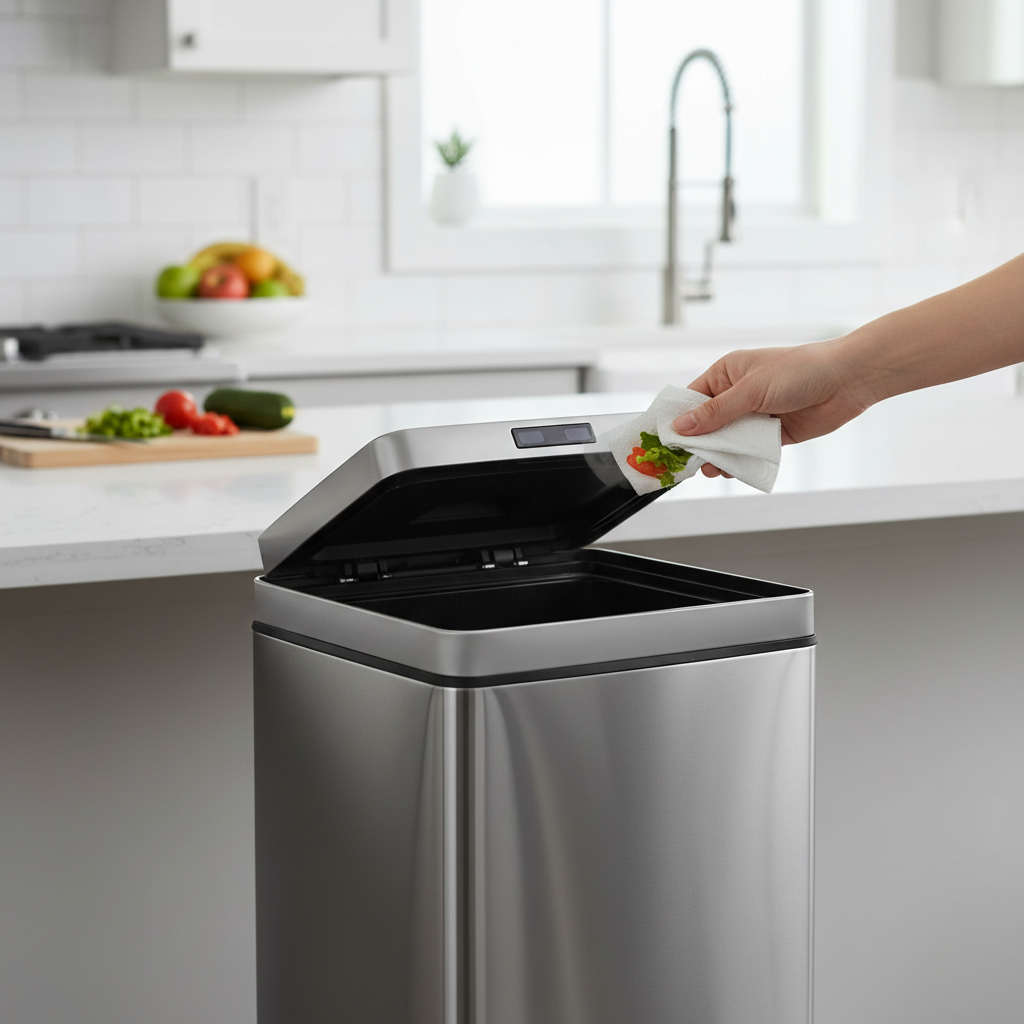
As we navigate the complexities of daily life, tasks that seem simple can become challenging for elderly individuals and those with disabilities. Managing household waste, often requiring bending, lifting, and touching, can pose significant hurdles. Fortunately, smart trash cans have emerged as a revolutionary solution, offering advanced features designed to restore independence, improve hygiene, and simplify waste disposal. These innovative devices go beyond basic functionality, transforming a mundane chore into an effortless and dignified experience.
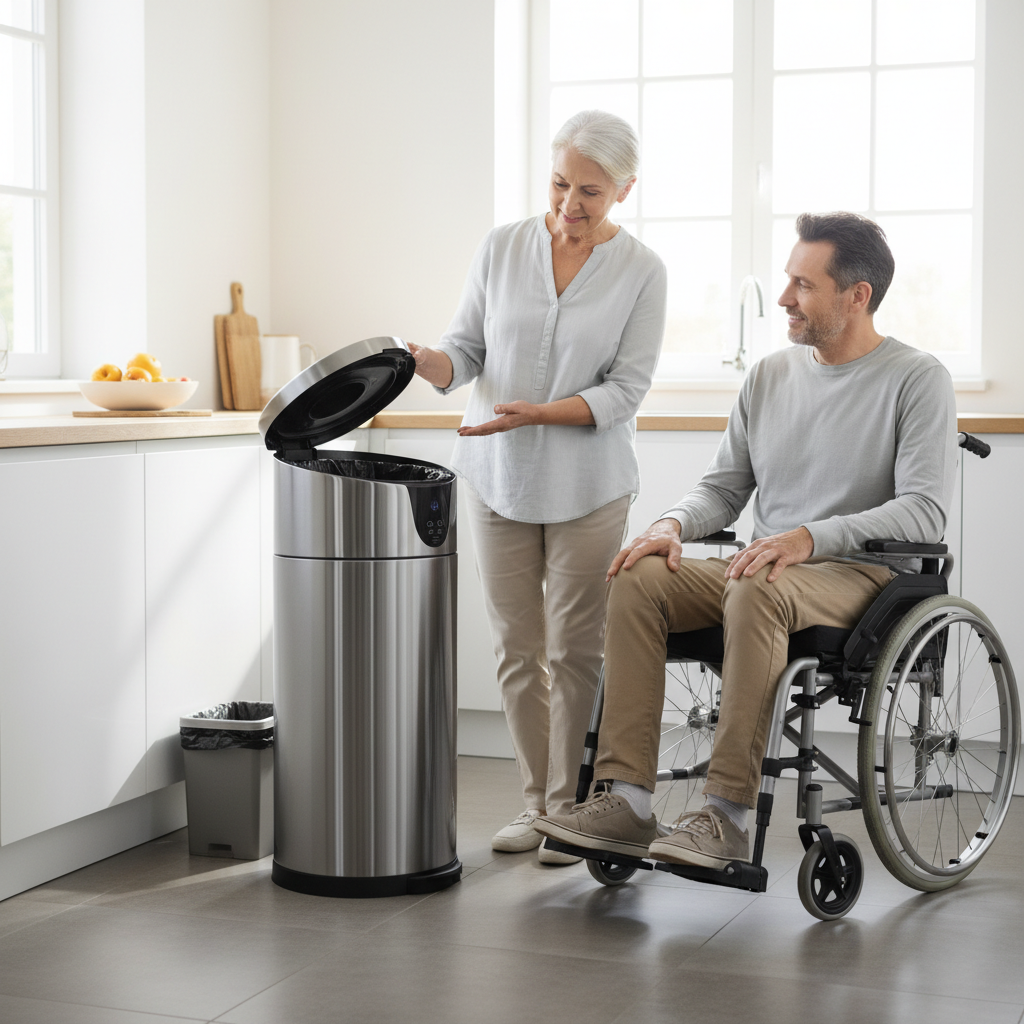
What Are Smart Trash Cans and Why Use Them for Accessible Living?
A smart trash can is more than just a receptacle; it’s an intelligent waste management system equipped with sensors, automated mechanisms, and sometimes connectivity, designed to streamline waste disposal. For seniors, individuals with limited mobility, or those aging in place, these modern bins address several key challenges, turning inconvenience into convenience. The primary benefits include hands-free operation, enhanced hygiene, and reduced physical strain.
The advantages of integrating a smart trash can into an accessible living environment are profound. They eliminate the need for bending or touching dirty surfaces, crucial for individuals with arthritis, back pain, or compromised immune systems. Moreover, they foster greater independence by simplifying a routine task that might otherwise require assistance from caregivers. Smart trash cans come in various forms, often classified by their core functions, such as motion-sensing, self-sealing, or odor-controlling capabilities, and are available in diverse materials and sizes to fit any home setting.
Key Features of Smart Trash Cans for Elderly and Disabled Users
Smart trash cans offer a suite of features that specifically cater to the needs of elderly and disabled users, making daily waste management significantly easier and more hygienic. Understanding these functionalities is key to selecting the most beneficial model.
Automatic Motion Sensors for Touchless Operation
The cornerstone of an accessible smart trash can is its automatic, touchless operation. Motion or infrared sensors detect movement near the bin, triggering the lid to open automatically. This hands-free functionality is invaluable, removing the need to press pedals or lift lids, which can be difficult or painful for individuals with mobility limitations or dexterity issues.
There are primarily two types of motion sensors:
- Hand-wave sensors: These open the lid when a hand or object approaches within a certain range (e.g., 25-35 cm) above the sensor area. They are highly hygienic, ideal for kitchens where hands might be messy. A minor drawback can be unintentional triggers if objects are too close.
- Knee-touch sensors: Some models respond to a gentle bump with the knee, offering convenience when hands are full. This is particularly useful for tasks like carrying a plate of scraps to the bin.
|
Our Picks for the Best Smart trash can in 2026
As an Amazon Associate I earn from qualifying purchases.
|
||
| Num | Product | Action |
|---|---|---|
| 1 | Bathroom Trash Can with Lid, KOEYLE 2 Pack 2.2 Gallon Automatic Touchless Garbage Can, Small Motion Sensor Smart Trash Can, Slim Waterproof Trash Bin for Bedroom, Bathroom, Office, Living Room (Black) |

|
| 2 | EKO Mirage-T 50 Liter / 13.2 Gallon Touchless Rectangular Motion Sensor Trash Can, Brushed Stainless Steel Finish (Matte Black) |
|
| 3 | Ninestars 13 Gallon Odor Neutralizing Smart Trash Can, UV + Ozone Dual Purification, Odor Control Motion Sensor Garbage Bin, Universal Power Adapter, ONT-50-81SL Stainless Steel, Silver, Nova Series |
|
| 4 | Vanpopubs 2 Pack 2.7 Gal Bathroom Trash Can with Lid, Automatic Trash Can Small Smart Garbage Can Touchless, Slim Motion Sensor Waterproof Plastic Trash Bins for Bedroom Office Kitchen Toilet |
|
| 5 | EKO Deluxe Mirage-T 50 Liter / 13.2 Gallon Touchless Rectangular Motion Sensor Trash Can, Matte Stainless Steel Finish |
|
| 6 | BestOffice | 13 Gallon Trash Can with Lid | Automatic Touchless Garbage Can | Odor Control | Modern Oval Design | Easy to Clean | Stainless Steel | Fits Any Kitchen, Bathroom, Office or Home |
|
| 7 | EKO Mirage-T 50 Liter / 13.2 Gallon Touchless Rectangular Motion Sensor Trash Can, Brushed Stainless Steel Finish |
|
| 8 | Ninestars 13 Gallon Oval Automatic Trash Can, 50L Touchless Motion Sensor Garbage Can with Odor-Sealing Lid & One-Touch Manual Mode, Silver Stainless Steel, Black Trim |
|
| 9 | iTouchless 24 Gallon Extra Large Touchless Sensor Trash Can with AbsorbX Odor Filter, 91L Commercial Stainless Steel Automatic Kitchen Bin for Home, Office, Restaurant, Commercial Lobby, Store |
|
| 10 | Ninestars 13 Gallon Automatic Trash Can, 50L Touchless Motion Sensor Garbage Can with Odor-Sealing Lid, Rectangular Stainless Steel, Silver Trim |
|
After waste is deposited, the lid typically closes automatically after a brief delay, further promoting hygiene and containing odors.
Odor Control and Disinfection
Maintaining a fresh and clean living environment is particularly important for accessible homes. Many smart trash cans incorporate advanced odor control features. These often include tightly sealed lids, carbon filters, or even anion technology to neutralize unpleasant smells. The sealed design prevents odors from escaping, while filters actively absorb and eliminate airborne particles. Some high-end models even offer UV disinfection, using ultraviolet light to kill bacteria and viruses inside the bin, providing an extra layer of hygiene. This significantly improves air quality, especially in smaller or shared living spaces.
Self-Sealing and Automatic Bag Replacement
One of the most innovative and beneficial features for elderly and disabled users is the automatic bag sealing and replacement system. Once the trash bin is full, a simple press of a button (or sometimes automatically upon detection) activates a heat-sealing mechanism that securely seals the trash bag. This eliminates the need for users to touch messy garbage or struggle with tying off bags, a task that can be difficult for those with arthritis or limited hand strength.
Following the sealing process, some advanced models can even automatically drop the sealed bag into a compartment and then dispense and set up a fresh liner, ready for use. This minimizes direct contact with waste and removes a repetitive, often cumbersome, chore, greatly benefiting both users and their caregivers.
Accessible Design: Size, Weight, and Mobility
Beyond smart features, the physical design of an accessible trash can plays a crucial role. Many smart bins are designed to be lightweight yet sturdy, making them easy to move and reposition if needed. Compact designs are ideal for fitting into tight spaces, such as bathrooms, small kitchens, or assisted living apartments, without obstructing pathways. Some larger capacity models are also available with integrated wheels, offering unparalleled ease of mobility even when fully loaded. This reduces physical strain when transporting the bin for emptying or cleaning.
Other Important Features: Fill-Level Sensors, Long-Open Mode
Other notable features that enhance convenience include:
- Fill-level sensors: These smart sensors monitor the amount of waste inside the bin, alerting the user when it’s nearing capacity. This prevents overfilling and messy overflows.
- Long-open mode: For situations requiring extended access, such as during meal preparation or while cleaning, some smart trash cans offer a “long-open” mode, allowing the lid to stay open until manually closed.
Comparing Popular Smart Trash Cans for Accessibility
When considering smart trash cans for elderly and disabled individuals, several models stand out for their accessibility-focused features. While specific brands and models can vary, a comparative look at common offerings highlights what makes them suitable.
| Feature / Model Type | Touchless Sensor (Auto Open/Close) | Odor Control | Self-Sealing Bags | Auto Bag Replacement | Capacity (Approx.) | Material | Special Benefits for Elderly/Disabled | Price Range |
|---|---|---|---|---|---|---|---|---|
| Basic Motion Sensor | Yes (Infrared/Hand-wave) | Moderate | No | No | 8-13 Gallons | Stainless Steel/Plastic | Hands-free, no bending or touching. | Low-Mid |
| Advanced Odor Control | Yes | Excellent | No | No | 10-15 Gallons | Stainless Steel | Hands-free, superior odor containment. | Mid |
| Self-Sealing/Bagging | Yes | Good | Yes | Sometimes | 4-10 Gallons | Plastic | No contact with messy bags, reduced chore. | Mid-High |
| All-in-One Premium | Yes (Multiple modes) | Excellent | Yes | Yes | 8-16 Gallons | Stainless Steel/ABS | Maximum convenience, hygiene, and autonomy. | High |
This table provides a general comparison. Specific products like the Royal Bin™ are noted for their self-sealing and touchless features, while Simplehuman and Townew also offer robust sensor-activated options with varying bag systems and capacities. Joybos offers a range of sensor cans, including those with automatic adsorption bagging.
Choosing the Right Smart Trash Can for Your Needs
Selecting the ideal smart trash can involves a thoughtful assessment of the user’s specific requirements and the environment it will be placed in. A careful choice ensures the product genuinely enhances daily living.
Assess User Needs: Mobility, Dexterity, Location
Start by considering the user’s particular challenges. Do they have severe mobility limitations, making any bending or reaching difficult? Is hand dexterity an issue, affecting their ability to tie bags or press small buttons? Also, think about where the trash can will be used—a kitchen might require a larger capacity and strong odor control, while a bathroom or bedroom may prioritize a compact size and silent operation. The number of people in the household and the typical volume and type of waste generated will also influence the choice.
Consider Capacity and Size
Smart trash cans come in various capacities, typically ranging from small 3-5 gallon bins for bathrooms to larger 13-16 gallon models for kitchens. Evaluate how frequently the trash needs to be emptied and select a size that minimizes this frequency without becoming an obstruction. For users with limited mobility, a larger capacity can mean fewer trips to dispose of waste. Dimensions are also important to ensure the bin fits comfortably in its intended space without impeding movement, especially for wheelchair users.
Prioritize Essential Features
While many smart trash cans offer numerous features, focus on those that directly address the user’s primary needs.
- Touchless operation is almost always a priority for hygiene and ease of use.
- Odor control is crucial for maintaining a fresh home environment.
- Self-sealing and automatic bag replacement significantly reduce physical effort and contact with waste.
- Long-open modes can be very practical for situations where continuous access is needed without constant sensor re-activation.
Material and Durability
Smart trash cans are commonly made from stainless steel or durable plastics. Stainless steel offers a sleek, modern aesthetic and is often fingerprint-proof, but can be heavier. Plastic models are typically lighter and more budget-friendly. Consider the ease of cleaning and the overall durability to ensure the product withstands daily use and offers long-term value.
Brand Reputation and Price Range
Research reputable brands known for quality and customer service. Brands like Simplehuman, Townew, and Trash King (Royal Bin) are often cited for their smart trash can offerings. Prices can vary significantly based on features, capacity, and materials, from budget-friendly options focusing on touchless operation to premium models with comprehensive automation and connectivity. Set a budget, but prioritize features that truly enhance accessibility and independence.
Where to Buy Reliable Smart Trash Cans
Finding a reliable smart trash can involves knowing where to look, both online and in physical stores.
Many major electronics retailers and home goods stores carry a selection of smart trash cans. Online marketplaces, such as Amazon, eBay, and the official websites of brands like Simplehuman, Townew, and Trash King, offer a wider variety and often competitive pricing. These platforms also provide detailed product descriptions, specifications, and customer reviews, which are invaluable for making an informed decision.
When purchasing online, always:
- Check product information thoroughly: Ensure features, dimensions, and power requirements meet your needs.
- Read user reviews: Look for feedback from other elderly or disabled users regarding ease of use and long-term reliability.
- Verify warranty and return policies: Understand the manufacturer’s warranty and the retailer’s return process in case the product doesn’t meet expectations.
Tips for Using and Maintaining Your Smart Trash Can
To maximize the benefits and prolong the lifespan of your smart trash can, proper usage and regular maintenance are essential.
Upon arrival, carefully read the manufacturer’s instructions for initial setup, including battery installation (if applicable) and sensor calibration. Test all features, especially the automatic lid and any self-sealing mechanisms, to ensure they function correctly. Familiarize yourself with how to activate special modes like “long-open” if available.
Regular cleaning is crucial for hygiene. Most smart trash cans can be wiped down with a damp cloth and mild detergent. Avoid harsh chemicals that could damage sensors or finishes. For bins with odor control filters, check the manual for recommended replacement schedules. If using specialized self-sealing bags, ensure you have a steady supply of compatible refills. Properly disposing of the sealed bags and wiping down the interior occasionally will keep your bin fresh. To extend battery life, consider using high-quality rechargeable batteries or plugging in models that offer AC power options.
Smart Trash Can Price Guide
The price of smart trash cans varies widely, reflecting the range of features, materials, and brand prestige. Understanding these segments can help you align your budget with your needs.
- Budget-Friendly (Under $50-$100): These often include basic motion-sensor lid operation and are typically made of plastic. They offer the core hands-free benefit without extensive additional features like self-sealing or advanced odor control.
- Mid-Range ($100-$250): This segment introduces more robust features, such as stainless steel construction, improved sensor accuracy, better odor filtration, and sometimes basic self-sealing capabilities. You might find a wider variety of sizes and designs here.
- Premium ($250+): High-end smart trash cans boast a full suite of advanced features, including self-sealing and automatic bag replacement, superior odor neutralization, UV disinfection, durable construction, and potentially smart home integration or app control. These models are designed for maximum convenience and long-term reliability.
Factors influencing the price include:
- Technology: More advanced sensors, self-sealing mechanisms, and smart connectivity increase cost.
- Material: Stainless steel and premium plastics are more expensive than basic plastic.
- Capacity: Larger bins generally cost more.
- Brand: Established brands with a reputation for quality often command higher prices.
Buying Guide: Essential Considerations Before Your Purchase
Before making your final decision on a smart trash can, take a moment to review these crucial points to ensure you select a product that genuinely meets the unique needs of elderly and disabled users.
Ask yourself these questions:
- What specific physical limitations does the user have that a smart trash can needs to address?
- Where will the trash can be placed, and what are the space constraints?
- How frequently is trash generated, and what capacity is truly needed to minimize emptying efforts?
- Are advanced hygiene features like strong odor control or UV disinfection a priority?
- Is the convenience of self-sealing and automatic bag replacement essential, or is simple touchless operation sufficient?
- What is the power source (batteries vs. AC adapter), and how easy is it to manage?
Common mistakes to avoid include:
- Overlooking capacity: A too-small bin requires frequent emptying, defeating the purpose of convenience.
- Ignoring power source: Constantly changing batteries can be a hassle; consider rechargeable options or AC-powered models.
- Forgetting maintenance: Some advanced features require specific refills or filter replacements; factor these into ongoing costs and effort.
- Prioritizing aesthetics over functionality: While a sleek design is nice, accessibility features should always come first.
“For individuals facing mobility challenges, a smart trash can isn’t just a gadget; it’s a tool for autonomy. The ability to dispose of waste without struggle significantly boosts daily dignity and ease.” – Dr. Eleanor Vance, Geriatric Care Specialist
Conclusion
Smart trash cans represent a significant advancement in home accessibility, offering elderly and disabled individuals greater independence, hygiene, and convenience in their daily lives. From touchless operation that eliminates bending and reaching to advanced features like self-sealing bags and odor control, these devices are thoughtfully designed to simplify waste management. By carefully considering individual needs, prioritizing essential features, and choosing a reputable product, you can select a smart trash can that truly enhances the quality of life for its users.
Ready to transform daily waste disposal? Which smart trash can feature do you think would make the biggest difference in an accessible home?