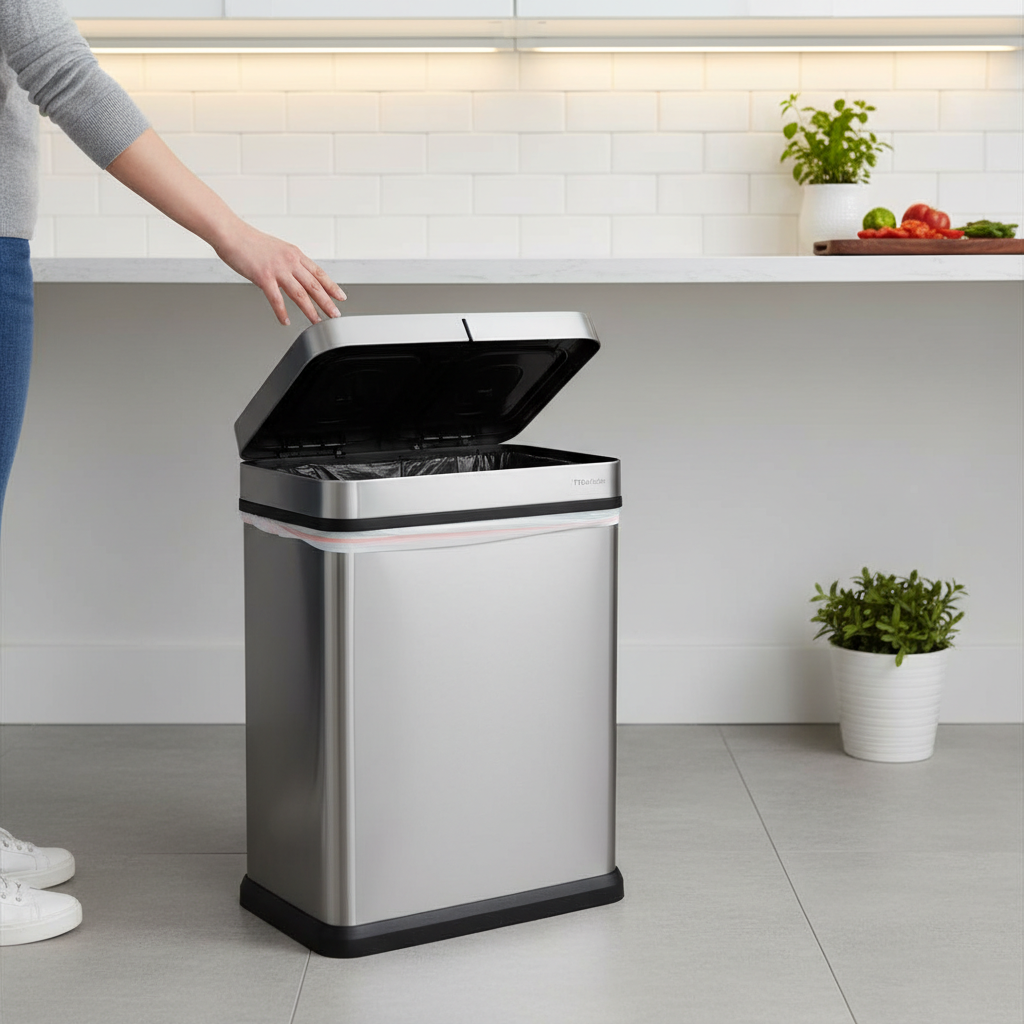
Choosing the right trash can might seem like a minor decision, but it significantly impacts daily convenience, hygiene, and long-term household efficiency. In the modern home, two primary hands-free options dominate: sensor-activated and step pedal trash cans. Both aim to simplify waste disposal, yet their underlying mechanisms lead to distinct differences in durability and lifespan. Understanding these differences is key to making an informed choice that will serve your needs for years to come.
What Are Smart Trash Cans and Why Use Them?
Smart trash cans, often synonymous with sensor-activated models, represent an evolution in waste management, integrating technology for a more hygienic and convenient experience. These innovative bins feature motion sensors that automatically lift the lid when a hand or object approaches, eliminating the need for physical contact. Beyond this core function, many intelligent models boast additional features such as soft-close lids, odor control mechanisms, and sometimes even automatic bag sealing.
The primary appeal of smart trash cans lies in their enhanced hygiene, preventing the spread of germs by removing direct touchpoints. Their hands-free operation is incredibly convenient, especially when your hands are full while cooking or cleaning. Aesthetically, they often present a sleek, modern design that complements contemporary home decor. While these advantages are compelling, the sophisticated technology also introduces different considerations regarding their long-term reliability compared to their simpler, mechanical counterparts.
Key Features of Sensor vs. Step Pedal Trash Cans
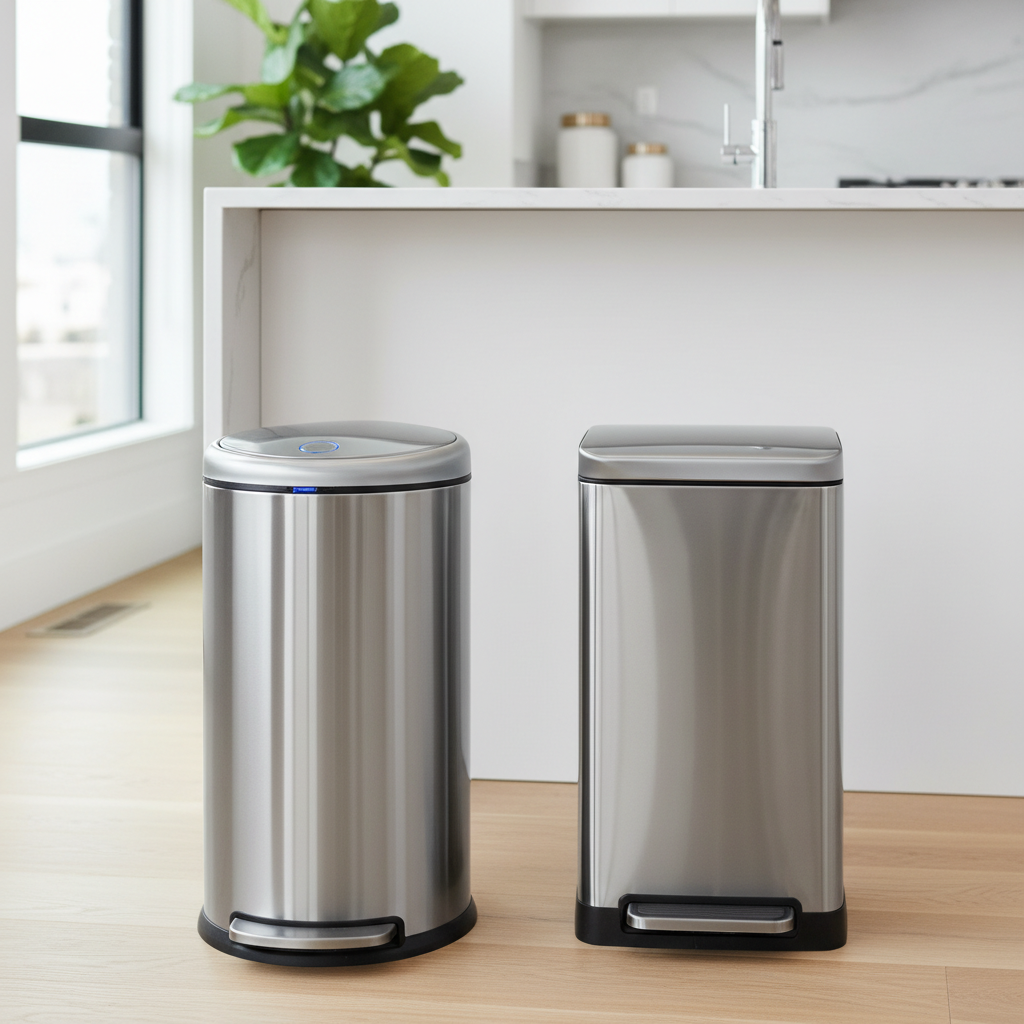
The fundamental difference between sensor and step pedal trash cans lies in their lid-opening mechanisms, which in turn dictate their operational characteristics, potential failure points, and overall longevity.
Sensor-Activated Opening/Closing
Sensor trash cans utilize infrared or motion sensors to detect presence, triggering a motor that opens and closes the lid automatically.
- Pros:
- Maximum Hygiene: No physical contact reduces germ transmission.
- Convenience: Ideal when hands are full, offering effortless disposal.
- Modern Aesthetic: Often features sleek designs that enhance kitchen or bathroom decor.
- Cons & Common Failure Points:
- Battery Dependency: Relies on batteries (AA, D-cell, or rechargeable), requiring regular replacement or recharging, which can be an added cost and inconvenience.
- Sensor Malfunctions: Sensors can become unresponsive, overly sensitive (opening unintentionally), or stop working due to dirt accumulation, direct sunlight interference, or internal electronic failure.
- Motor/Lid Mechanism Wear: The electronic motor and mechanical gears that operate the lid can wear out over time, leading to slow operation, jamming, or complete failure.
- Higher Initial Cost: Generally more expensive than pedal bins due to integrated technology.
|
Our Picks for the Best Smart trash can in 2026
As an Amazon Associate I earn from qualifying purchases.
|
||
| Num | Product | Action |
|---|---|---|
| 1 | Ninestars 13 Gallon Oval Automatic Trash Can, 50L Touchless Motion Sensor Garbage Can with Odor-Sealing Lid & One-Touch Manual Mode, Silver Stainless Steel, Black Trim |

|
| 2 | Ninestars 13 Gallon Automatic Trash Can, 50L Touchless Motion Sensor Garbage Can with Odor-Sealing Lid, Rectangular Stainless Steel, Silver Trim |
|
| 3 | EKO Mirage-T 50 Liter / 13.2 Gallon Touchless Rectangular Motion Sensor Trash Can, Brushed Stainless Steel Finish (Matte Black) |
|
| 4 | Bathroom Trash Can with Lid, KOEYLE 2 Pack 2.2 Gallon Automatic Touchless Garbage Can, Small Motion Sensor Smart Trash Can, Slim Waterproof Trash Bin for Bedroom, Bathroom, Office, Living Room (Black) |
|
| 5 | Vanpopubs 2 Pack 2.7 Gal Bathroom Trash Can with Lid, Automatic Trash Can Small Smart Garbage Can Touchless, Slim Motion Sensor Waterproof Plastic Trash Bins for Bedroom Office Kitchen Toilet |
|
| 6 | Ninestars 13 Gallon Odor Neutralizing Smart Trash Can, UV + Ozone Dual Purification, Odor Control Motion Sensor Garbage Bin, Universal Power Adapter, ONT-50-81SL Stainless Steel, Silver, Nova Series |
|
| 7 | EKO Mirage-T 50 Liter / 13.2 Gallon Touchless Rectangular Motion Sensor Trash Can, Brushed Stainless Steel Finish |
|
| 8 | EKO Deluxe Mirage-T 50 Liter / 13.2 Gallon Touchless Rectangular Motion Sensor Trash Can, Matte Stainless Steel Finish |
|
| 9 | iTouchless 24 Gallon Extra Large Touchless Sensor Trash Can with AbsorbX Odor Filter, 91L Commercial Stainless Steel Automatic Kitchen Bin for Home, Office, Restaurant, Commercial Lobby, Store |
|
| 10 | BestOffice | 13 Gallon Trash Can with Lid | Automatic Touchless Garbage Can | Odor Control | Modern Oval Design | Easy to Clean | Stainless Steel | Fits Any Kitchen, Bathroom, Office or Home |
|
Foot Pedal Mechanism
Step pedal trash cans operate through a simple mechanical linkage. Pressing a foot pedal activates a rod or lever system that lifts the lid, and releasing the pedal allows it to close, often with a soft-close damper on higher-quality models.
- Pros:
- Simplicity & Reliability: With fewer electronic components, these bins are less prone to complex malfunctions.
- Durability: Robust mechanical linkages, especially in models made with quality metals, can withstand heavy daily use.
- Cost-Effective: Generally more affordable, offering good performance at a lower price point.
- No Power Required: Operates without batteries or electricity, making them reliable in any location.
- Cons & Common Failure Points:
- Physical Contact: While hands-free, the foot pedal still requires physical interaction, which some consider less hygienic than touchless sensors.
- Mechanical Wear & Tear: The pedal linkage, springs, and hinges can bend, break, or wear out over time, particularly if made from cheaper plastic components.
- Debris Accumulation: Dirt or small objects can jam the pedal mechanism, preventing smooth operation.
- Stability Issues: In some cases, repeatedly stepping on the pedal can cause the bin to slide backward, especially in tight spaces, making it difficult to use.
Odor Control and Material
Both sensor and step pedal trash cans can incorporate features like tight-sealing lids or carbon filters for odor control. However, the overall material significantly impacts durability. Stainless steel is a popular choice for both types due to its resistance to rust, odors, and its sleek appearance, though it may show fingerprints. Plastic options are more affordable and lightweight but can absorb odors over time and may be less durable. Metal bins with powder coatings offer aesthetic variety but can be prone to chipping or rusting if the coating is damaged.
Power and Connectivity
For sensor trash cans, power is a crucial consideration. Most are battery-operated, with battery life varying based on usage and type (alkaline batteries typically last 6-12 months, while lithium can last up to 2 years). Some models offer AC adapter options for continuous power, eliminating battery concerns but limiting placement. Step pedal cans require no external power, offering universal placement and uninterrupted functionality.
Durability Face-Off: Sensor vs. Step Pedal
When it comes to sheer longevity, the simpler mechanical design of a step pedal trash can often gives it an edge over its sensor-activated counterpart.
Step pedal trash cans, especially those constructed with high-quality metal components and robust linkages, are designed for straightforward, continuous mechanical action. Their minimal moving parts mean fewer points of failure. High-end pedal bins are known to last upwards of 10-20 years with proper care, with some users reporting even longer lifespans for well-built models. The most common issues, such as a bent linkage or worn spring, are often repairable or replaceable, extending the life of the unit.
In contrast, sensor trash cans introduce electronic complexity. While rated for tens of thousands of cycles, their lifespan is inherently tied to the durability of their electronic components—the sensor, circuit board, and motor—along with battery performance. A quality automatic trash can typically lasts 4-6 years. Failures often stem from battery depletion, sensor sensitivity issues (either unresponsive or overly triggered), or the motor degrading. While some issues like dirty sensors or low batteries are easily resolved, more complex electronic or motor failures can be costly to repair or necessitate a full replacement, making their long-term viability potentially shorter.
“For pure, unadulterated resilience in a high-traffic environment, a well-constructed pedal bin with a solid metal mechanism often outlasts its electronic counterpart. The fewer complex parts, the less there is to go wrong over time.”
Ultimately, a step pedal trash can with a robust, all-metal mechanism, designed for heavy daily use, generally offers superior longevity compared to a sensor trash can, which is more susceptible to electronic and battery-related issues over its lifespan.
Choosing the Right Trash Can for Your Needs
Deciding between a sensor and a step pedal trash can involves weighing several factors unique to your household or workspace. There’s no one-size-fits-all answer, but by considering your specific needs, you can choose a bin that offers the best balance of convenience, hygiene, and durability.
Assessing Your Usage
Consider where the trash can will be placed and how frequently it will be used.
- High-Traffic Areas (e.g., Kitchen): A kitchen often experiences frequent use and requires hands-free operation due to food prep. Sensor cans offer excellent hygiene here, though their electronic parts face more wear. A durable step pedal can also withstand heavy kitchen use if robustly built.
- Low-Traffic Areas (e.g., Bedroom, Home Office): In these spots, the convenience of a sensor might be less critical, and the simplicity of a pedal bin could be more appealing.
- Areas with Kids or Pets: Sensor cans can be accidentally triggered by curious children or pets, leading to drained batteries or unexpected lid openings. Some sensor models offer lock modes or adjustable sensitivity, but a pedal bin might offer more predictable operation in such environments.
- Small Spaces (e.g., Bathrooms): Step pedal cans can sometimes slide backward or have lids hit walls in cramped bathrooms due to the force of the pedal. Sensor cans, especially those with butterfly lids, can be better suited for tight spots, as they don’t require rear clearance for the lid.
Prioritizing Features
What matters most to you in a trash can?
- Hygiene: If minimizing germ spread is paramount (e.g., in medical settings, food preparation areas, or homes with immunocompromised individuals), a touchless sensor bin offers the highest level of sanitation.
- Ease of Use: Sensor cans provide effortless, truly hands-free operation, which is invaluable when your hands are dirty or full. Pedal cans are also hands-free but require a foot action.
- Aesthetics: Sensor cans often come with sleek, modern designs. Pedal cans offer a range of styles, from traditional to contemporary.
- Low Maintenance: Pedal cans generally require less fuss, with no batteries to change. Sensor cans need regular battery checks and sensor cleaning.
Material and Build Quality
Regardless of type, the materials and overall construction quality significantly impact longevity.
- Stainless Steel: Offers superior durability, rust resistance, and a premium look. It’s often found in both high-quality sensor and step pedal models.
- Plastic: More affordable and lightweight, but prone to absorbing odors and potentially less durable, especially for mechanical parts.
- Robust Mechanisms: For step pedal cans, look for solid metal linkages and sturdy hinges. For sensor cans, a quiet, smooth motor and a well-protected sensor are indicators of better build quality.
Cost vs. Longevity
- Initial Investment: Sensor trash cans typically have a higher upfront cost. Pedal bins are generally more budget-friendly.
- Long-Term Value: While pedal bins might be cheaper initially, a high-quality model can last for decades, offering excellent long-term value. Sensor bins might require more frequent replacement or battery costs over their shorter lifespan. Consider the total cost of ownership rather than just the purchase price.
Many households find an ideal solution by using both: a hygienic sensor can in the kitchen where convenience and germ-avoidance are critical, and durable, low-maintenance pedal cans in utility areas, bathrooms, or bedrooms.
Maintenance Tips to Maximize Lifespan
Proper maintenance is crucial for extending the life of any trash can, whether it’s a high-tech sensor model or a sturdy step pedal design. Neglecting care can lead to premature failure and reduce the effectiveness of even the best-built bins.
Caring for Sensor Cans
Given their electronic components, sensor trash cans require specific attention:
- Battery Management: Regularly check and replace batteries. If using rechargeable batteries, ensure they are charged promptly. Consider using high-quality or lithium batteries for longer life. Some models offer AC adapters, which can remove battery concerns entirely.
- Sensor Cleaning: Dust, dirt, and grease can accumulate on the infrared (IR) sensor window, affecting its responsiveness. Gently wipe the sensor area with a soft, dry or slightly damp microfiber cloth. Avoid abrasive cleaners that could scratch the sensor.
- Avoiding Environmental Interference: Position the trash can away from direct sunlight, which can interfere with IR sensors. Also, ensure there are no constant movements (like pets playing nearby) that could trigger the sensor unnecessarily, draining battery life.
- Lid Mechanism Care: Listen for unusual noises from the motor. If the lid struggles to open or close, check for obstructions in the hinge area or along the lid’s path.
Caring for Step Pedal Cans
The mechanical nature of pedal bins means maintenance focuses on keeping moving parts clear and lubricated:
- Cleaning Debris: Small food particles, dust, or other debris can fall into the pedal mechanism and jam the linkages. Periodically inspect the area around the pedal and underneath the bin, cleaning out any buildup.
- Lubricating Moving Parts: On metal-on-metal pivot points within the pedal linkage, a tiny amount of silicone-based lubricant can ensure smooth operation and prevent squeaks. Be careful not to apply lubricant to any plastic damper components.
- Gentle Use: While robust, constant forceful stomping on the pedal can strain the linkage and springs. Encourage gentle use to reduce wear and tear.
- Checking Linkage and Hinges: If the pedal feels loose or the lid isn’t opening fully, inspect the connecting rods and hinges. Sometimes a rod can become dislodged and can be reattached. For slow-close lids, ensure the damper mechanism is clean and intact.
General Best Practices
These tips apply to both types of trash cans:
- Proper Bag Fitting: Ensure trash bags fit correctly and don’t interfere with the lid’s closing mechanism. Overhanging bags can prevent a tight seal, compromise odor control, or obstruct movement.
- Avoid Overloading: Do not overfill the trash can or place heavy items on the lid. Overloading can stress the lid mechanism (motor or pedal) and potentially damage the internal liner.
- Regular Cleaning: Beyond the mechanics and sensors, regular cleaning of the entire trash can (interior and exterior) with mild detergent and water prevents odors and bacterial growth. For stainless steel, use appropriate cleaners to maintain its finish and prevent smudges.
By integrating these maintenance practices into your routine, you can significantly extend the operational life of your chosen trash can, ensuring it remains a functional and hygienic part of your home.
Buying Guide: Making an Informed Decision
Navigating the market for a new trash can can be overwhelming with the myriad of options available. To ensure you invest in a product that genuinely meets your needs and offers lasting value, it’s essential to approach the purchase with a clear understanding of what to look for and what to avoid.
Before making a purchase, ask yourself these key questions:
- What is my primary motivation? Is it maximum hygiene, ultimate convenience, rugged durability, or affordability?
- Where will the trash can be placed? Kitchen, bathroom, office, or garage? This dictates size, features, and power requirements.
- How often will it be used? High-traffic areas demand more robust mechanisms.
- Who will be using it? Consider children, elderly family members, or pets and how they might interact with the bin.
- What is my budget for both initial cost and ongoing maintenance (e.g., batteries)?
Common Mistakes to Avoid When Buying a Smart Trash Can:
- Prioritizing Price Over Quality: Cheaply made sensor or pedal mechanisms are highly prone to breaking quickly. Investing a little more upfront often translates to significantly longer lifespan and fewer headaches.
- Ignoring Material Quality: A thin plastic lid or a flimsy pedal will not withstand daily wear. Opt for durable materials like stainless steel or high-grade plastics for critical components.
- Overlooking Battery Type and Life (for sensor cans): Some models use proprietary batteries or drain standard batteries quickly. Check reviews for real-world battery performance and consider models with rechargeable options or AC adapters.
- Forgetting Space Constraints: Measure your available space, especially if the trash can needs to fit under a counter or in a tight corner. Account for lid clearance, particularly for pedal cans that often require space behind them for the hinge.
- Neglecting Odor Control: A trash can’s primary job is to contain waste and odors. Ensure the model you choose has a tight-sealing lid, and consider those with integrated carbon filters if odor is a major concern.
- Dismissing Warranty and Customer Support: A good warranty (e.g., 5-10 years) and responsive customer service can be invaluable if issues arise. Brands known for their post-purchase support often indicate higher product confidence.
While specific brand recommendations can change, look for manufacturers with a reputation for quality engineering and customer satisfaction. Reading user reviews and professional guides can highlight common pitfalls and reliable performers in both sensor and step pedal categories. Making an informed decision ensures your new trash can will be a beneficial addition to your home for years to come.
Conclusion
The debate between sensor and step pedal trash cans ultimately centers on a trade-off between modern convenience and mechanical resilience. Sensor trash cans offer unparalleled hygiene and effortless operation, making them a sleek addition to any smart home. However, their reliance on electronic components and batteries introduces more potential points of failure over time, often resulting in a shorter lifespan.
Conversely, step pedal trash cans, with their simpler mechanical design, generally offer superior longevity and robust performance, often outlasting their electronic counterparts. While they may require minimal physical interaction, their durable construction and ease of repair make them a steadfast choice for long-term waste management.
The ideal choice depends on your priorities: if cutting-edge hygiene and automation are paramount, a sensor can is appealing, provided you’re prepared for potential maintenance of its electronic features. If durability, reliability, and minimal upkeep are your main concerns, a well-built step pedal trash can remains the champion of longevity. Ultimately, both options serve the essential function of waste disposal, but understanding their inherent differences in design and durability empowers you to select the trash can that best fits your lifestyle and lasts for years.
Frequently Asked Questions
How long do automatic trash cans typically last?
A quality automatic (sensor) trash can can typically last between 4 to 6 years with proper care and maintenance. Their lifespan is largely dependent on the durability of their electronic sensor, motor, and consistent battery management.
Are sensor trash cans worth the higher price?
Whether sensor trash cans are worth the higher price depends on your priorities. They offer significant benefits in hygiene and convenience due to their touchless operation, which can be invaluable in kitchens or for individuals with limited mobility. However, their higher cost comes with potential long-term expenses like battery replacement and a shorter overall lifespan compared to robust pedal bins.
What are the most common failures in step pedal trash cans?
The most common failures in step pedal trash cans include bent or detached pedal linkages, worn-out springs, and broken hinges. Debris accumulation in the mechanism can also cause jamming, and lower-quality plastic components are prone to cracking or breaking over time with heavy use.
Can sensor trash cans be repaired?
Minor issues with sensor trash cans, such as unresponsive sensors due to dirt or low batteries, are often easily fixable. More significant problems like a malfunctioning motor or a damaged circuit board can be challenging and costly to repair, sometimes making replacement a more practical option.
Which type is better for heavy-traffic areas?
For heavy-traffic areas, a high-quality step pedal trash can often proves more durable and reliable in the long run. Its robust mechanical design is less prone to the electronic failures and battery drainage that sensor cans might experience with constant use, offering consistent performance without power concerns.
How can I extend the life of my trash can?
To extend the life of any trash can, practice regular cleaning of both the interior and exterior, ensure proper bag fitting, and avoid overloading. For sensor cans, manage batteries effectively and keep the sensor clean. For pedal cans, periodically clean debris from the pedal mechanism and gently lubricate moving parts.