Motion sensors are cornerstones of modern security and automation systems, offering unparalleled convenience and peace of mind. From automatically illuminating pathways to triggering security alarms, these devices silently monitor our environments. Yet, a common and frustrating challenge arises when these vigilant sentinels are exposed to direct sunlight, leading to erratic behavior, false alarms, or a complete failure to detect genuine movement. Understanding why sunlight interferes with motion sensors is crucial for optimizing their performance and ensuring their reliability.
The Science Behind Motion Sensors and Sunlight Interference
At the heart of most widely used motion sensors, particularly Passive Infrared (PIR) sensors, lies the principle of detecting changes in infrared (IR) radiation. Every object with a temperature above absolute zero emits infrared energy, including human bodies. A PIR sensor contains pyroelectric elements that detect these changes in thermal energy. When a warm body moves into or out of the sensor’s field of view, it causes a rapid fluctuation in the detected infrared levels, which the sensor interprets as motion.
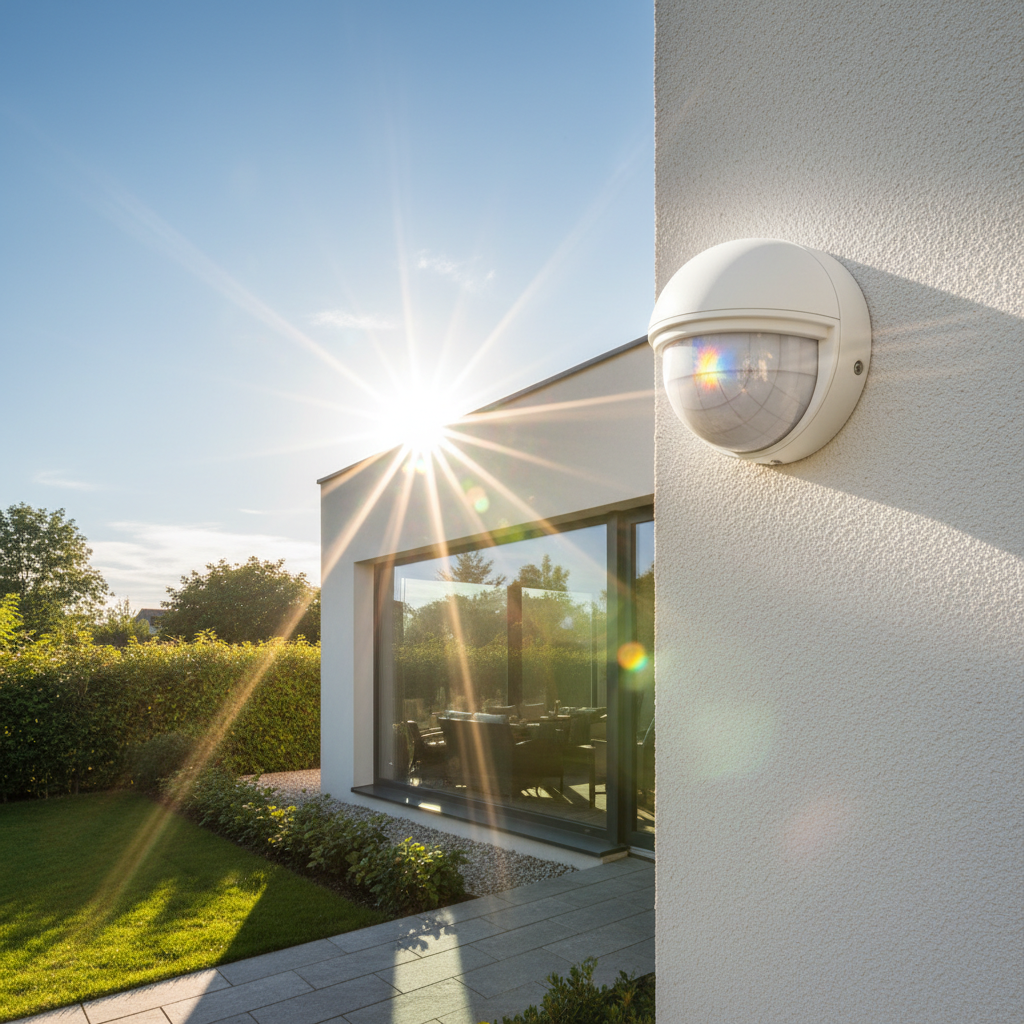
Direct sunlight introduces a formidable challenge to this delicate process. Sunlight is a broad spectrum of electromagnetic radiation, including a significant amount of infrared light. When this intense IR radiation directly hits a PIR sensor, it overwhelms the pyroelectric elements. This can lead to several problems:
- Mimicking Heat Signatures: The sudden influx of heat from direct sunlight, particularly during sunrise and sunset, can mimic the distinct heat signature of a moving person. This leads the sensor to falsely believe there’s movement, triggering unwanted alarms or lights.
- Sensor Saturation: The sheer intensity of the sun’s infrared radiation can saturate the sensor. This means the sensor’s internal components become overloaded with IR signals, making it unable to detect the subtle changes caused by an actual moving object. Essentially, the sensor becomes “blinded” by the sun.
- Reduced Temperature Differential: PIR sensors rely on a clear temperature difference between a moving object and its background. In extremely hot, sunny conditions, the ambient temperature can rise significantly, sometimes even approaching human body temperature (around 98.6°F or 37°C). When this differential narrows, the sensor struggles to distinguish a person from the hot background, leading to reduced sensitivity or missed detections.
Common Manifestations of Sunlight-Related Failures
The impact of direct sunlight on motion sensors can manifest in several disruptive ways, undermining their intended purpose:
- False Alarms: This is arguably the most common and frustrating issue. Imagine security lights activating repeatedly without cause, or a security system sending alerts when nothing is amiss. These false alarms not only create unnecessary anxiety but can also lead to ignored warnings when a real threat emerges.
- Reduced Sensitivity or Missed Detections: Conversely, intense sunlight can make a sensor less responsive. A person might walk directly through the detection zone, but the sensor, overwhelmed by the sun’s glare, fails to register their presence. This compromises security and negates the convenience of automated lighting.
- Erratic Behavior from Reflections and Shadows: It’s not just direct rays. Sunlight reflecting off shiny surfaces like concrete driveways, glass windows, or even a vehicle can create sudden shifts in IR or light patterns that trigger a sensor. Similarly, fast-moving shadows from swaying trees or passing clouds can also be misinterpreted as movement, leading to false activations.
Beyond Direct Rays: Other Environmental Factors Affecting Performance
While direct sunlight is a primary culprit, several other environmental factors can contribute to motion sensor malfunctions, especially when combined with sunny conditions:
- Ambient Temperature Fluctuations: Rapid changes in ambient temperature, such as those caused by heating vents, air conditioning units, or even the hot exhaust from a passing car, can create infrared shifts that trigger PIR sensors. In outdoor settings, extreme heat can make it difficult for sensors to differentiate between a person and the surrounding environment.
- Humidity and Airflow: High humidity can sometimes interfere with sensor readings, as moisture in the air can affect infrared transmission. Strong gusts of wind or significant airflow disturbances around the sensor can also subtly alter heat patterns, leading to unintended activations.
- Physical Obstructions: Although not directly sunlight-related, objects like swaying branches, falling leaves, or even small insects crawling across the sensor lens can block or alter the infrared field, causing false triggers. These issues can be exacerbated by sunlight creating moving shadows from such obstructions.
Solutions and Strategies to Optimize Motion Sensor Performance in Sunlight
Mitigating the effects of direct sunlight and other environmental interferences requires a thoughtful approach to sensor selection, placement, and configuration.
Strategic Placement
The most effective defense against sunlight interference is smart installation.
- Shaded Areas: Whenever possible, mount motion sensors under eaves, overhangs, or within covered entryways. This provides natural shade throughout the day.
- North-Facing Walls: In the Northern Hemisphere, installing sensors on north-facing walls minimizes direct sunlight exposure. (Conversely, in the Southern Hemisphere, south-facing walls would be ideal).
- Avoid Direct Lines of Sight: Ensure the sensor is not pointed directly towards windows, reflective surfaces (like polished concrete or large glass panels), or areas where the sun rises or sets into its field of view.
|
Our Picks for the Best Smart trash can in 2026
As an Amazon Associate I earn from qualifying purchases.
|
||
| Num | Product | Action |
|---|---|---|
| 1 | EKO Mirage-T 50 Liter / 13.2 Gallon Touchless Rectangular Motion Sensor Trash Can, Brushed Stainless Steel Finish (Matte Black) |

|
| 2 | Ninestars 13 Gallon Automatic Trash Can, 50L Touchless Motion Sensor Garbage Can with Odor-Sealing Lid, Rectangular Stainless Steel, Silver Trim |
|
| 3 | EKO Mirage-T 50 Liter / 13.2 Gallon Touchless Rectangular Motion Sensor Trash Can, Brushed Stainless Steel Finish |
|
| 4 | iTouchless 24 Gallon Extra Large Touchless Sensor Trash Can with AbsorbX Odor Filter, 91L Commercial Stainless Steel Automatic Kitchen Bin for Home, Office, Restaurant, Commercial Lobby, Store |
|
| 5 | EKO Deluxe Mirage-T 50 Liter / 13.2 Gallon Touchless Rectangular Motion Sensor Trash Can, Matte Stainless Steel Finish |
|
| 6 | Bathroom Trash Can with Lid, KOEYLE 2 Pack 2.2 Gallon Automatic Touchless Garbage Can, Small Motion Sensor Smart Trash Can, Slim Waterproof Trash Bin for Bedroom, Bathroom, Office, Living Room (Black) |
|
| 7 | BestOffice | 13 Gallon Trash Can with Lid | Automatic Touchless Garbage Can | Odor Control | Modern Oval Design | Easy to Clean | Stainless Steel | Fits Any Kitchen, Bathroom, Office or Home |
|
| 8 | Ninestars 13 Gallon Odor Neutralizing Smart Trash Can, UV + Ozone Dual Purification, Odor Control Motion Sensor Garbage Bin, Universal Power Adapter, ONT-50-81SL Stainless Steel, Silver, Nova Series |
|
| 9 | Vanpopubs 2 Pack 2.7 Gal Bathroom Trash Can with Lid, Automatic Trash Can Small Smart Garbage Can Touchless, Slim Motion Sensor Waterproof Plastic Trash Bins for Bedroom Office Kitchen Toilet |
|
| 10 | Ninestars 13 Gallon Oval Automatic Trash Can, 50L Touchless Motion Sensor Garbage Can with Odor-Sealing Lid & One-Touch Manual Mode, Silver Stainless Steel, Black Trim |
|
Physical Shielding and Accessories
Adding physical barriers can significantly improve reliability.
- Sun Shields/Hoods: Many outdoor motion sensors come with or can be retrofitted with sun shields or visors. These small hoods block direct rays without impeding the sensor’s field of detection.
- Weatherproof Housings: High-quality, UV-resistant housings not only protect the sensor from harsh weather but can also incorporate features that block direct sunlight and reduce heat buildup within the unit.
Adjusting Sensor Settings
Fine-tuning the sensor’s internal settings can help.
- Sensitivity Levels: Most modern motion sensors allow you to adjust their sensitivity. Lowering the sensitivity can reduce false alarms triggered by minor environmental changes, though it might slightly reduce the detection range for legitimate motion.
- Detection Zones: Some advanced sensors allow you to define specific detection zones, excluding areas prone to interference like busy roads, pet zones, or sun-drenched patches.
Embracing Advanced Technologies
Beyond standard PIR, newer technologies offer enhanced resilience to sunlight.
- Dual-Technology Sensors: These sensors combine two different detection methods, typically PIR and microwave (radar) or ultrasonic. For an alarm to trigger, both technologies must detect motion. This significantly reduces false alarms, as sunlight would only affect the PIR component.
- mmWave Sensors (Millimeter Wave Radar): Unlike PIR, mmWave sensors use radio waves to detect movement and even subtle presence. They are largely unaffected by heat, light, or environmental factors like wind, making them highly reliable in challenging outdoor conditions. While often more expensive, they offer superior performance in bright, hot environments.
Choosing the Right Motion Sensor for Sunny Environments
When selecting a motion sensor for an area prone to direct sunlight, consider these critical factors:
- IP Rating: An adequate IP (Ingress Protection) rating ensures the sensor is robust against dust and water, which often accompany outdoor installations.
- Operating Temperature Range: Check the manufacturer’s specifications for the sensor’s operational temperature limits. Choose models designed to function reliably in the extreme heat that direct sunlight can generate.
- Dual-Technology or mmWave Capabilities: Prioritize sensors that incorporate advanced detection technologies. While PIR-only sensors are budget-friendly, dual-tech or mmWave options offer superior accuracy and resistance to false triggers from sunlight.
- Adjustable Settings: Look for sensors with customizable sensitivity, detection zones, and possibly even ambient light sensors that can disable motion detection during daylight hours if not needed.
Installation and Maintenance Best Practices
Even with the right sensor, proper installation and ongoing maintenance are vital for consistent performance.
- Optimal Angle and Mounting Height: Follow the manufacturer’s guidelines for mounting height and angle. This ensures the sensor’s detection pattern is optimized for human movement while minimizing exposure to ground-level heat sources or reflections.
- Regular Cleaning: Periodically clean the sensor lens to remove dust, cobwebs, and insect buildup. These can obstruct the sensor’s view and contribute to false alarms.
- Periodic Testing: Test your motion sensors regularly, especially after seasonal changes or extreme weather, to confirm they are functioning correctly and that their settings are still appropriate for the ambient conditions.
Conclusion
Direct sunlight poses a significant challenge for many motion sensors, particularly the ubiquitous PIR variety, by mimicking heat signatures, saturating detection components, and reducing temperature differentials. The result can be frustrating false alarms or critical missed detections, undermining security and convenience. However, by understanding these underlying scientific principles and implementing strategic placement, physical shielding, intelligent settings adjustments, and embracing advanced technologies like dual-tech or mmWave sensors, you can dramatically improve the reliability of your motion detection systems. A proactive approach ensures your motion sensors remain vigilant, distinguishing genuine threats from the sun’s powerful gaze. Are your motion sensors ready for the sun’s brightest days?
Frequently Asked Questions
Can direct sunlight permanently damage a motion sensor?
While direct sunlight can cause a motion sensor to malfunction or trigger false alarms, it typically does not cause permanent damage to the sensor itself under normal operating conditions. However, prolonged exposure to extreme UV radiation and high temperatures can degrade the sensor’s housing or internal electronic components over many years, potentially shortening its overall lifespan.
Do all types of motion sensors fail in direct sunlight?
No, not all motion sensors fail in direct sunlight. Passive Infrared (PIR) sensors are most susceptible because they detect heat signatures, which sunlight can mimic or overwhelm. However, other types, such as microwave (radar) or ultrasonic sensors, which detect movement using radio waves or sound waves, are generally unaffected by sunlight or heat and tend to perform more reliably in bright, sunny conditions.
What are mmWave sensors, and how do they differ from PIR in sunlight?
mmWave (millimeter wave) sensors use high-frequency radio waves to detect motion and presence, similar to radar. Unlike PIR sensors, which rely on infrared heat detection, mmWave sensors are not impacted by temperature changes, direct sunlight, or environmental factors like wind or humidity. This makes them significantly more reliable for outdoor use and in areas with fluctuating light and heat.
How do I test my motion sensor’s effectiveness in daylight?
To test your motion sensor in daylight, ensure it’s positioned to avoid direct sunlight as much as possible. Then, set its sensitivity to your desired level. Walk through the intended detection zone during different times of day (morning, midday, afternoon) to observe its response. If it triggers inconsistently or falsely, adjust its angle, sensitivity, or consider adding a physical shade.
Is it possible to completely eliminate false alarms from motion sensors?
Completely eliminating false alarms is challenging, as motion sensors are designed to detect changes in their environment. However, you can significantly reduce them by choosing the right sensor technology (e.g., dual-tech or mmWave), ensuring optimal placement away from direct sunlight and heat sources, properly adjusting sensitivity and detection zones, and performing regular maintenance to clear obstructions.